CNC Milling
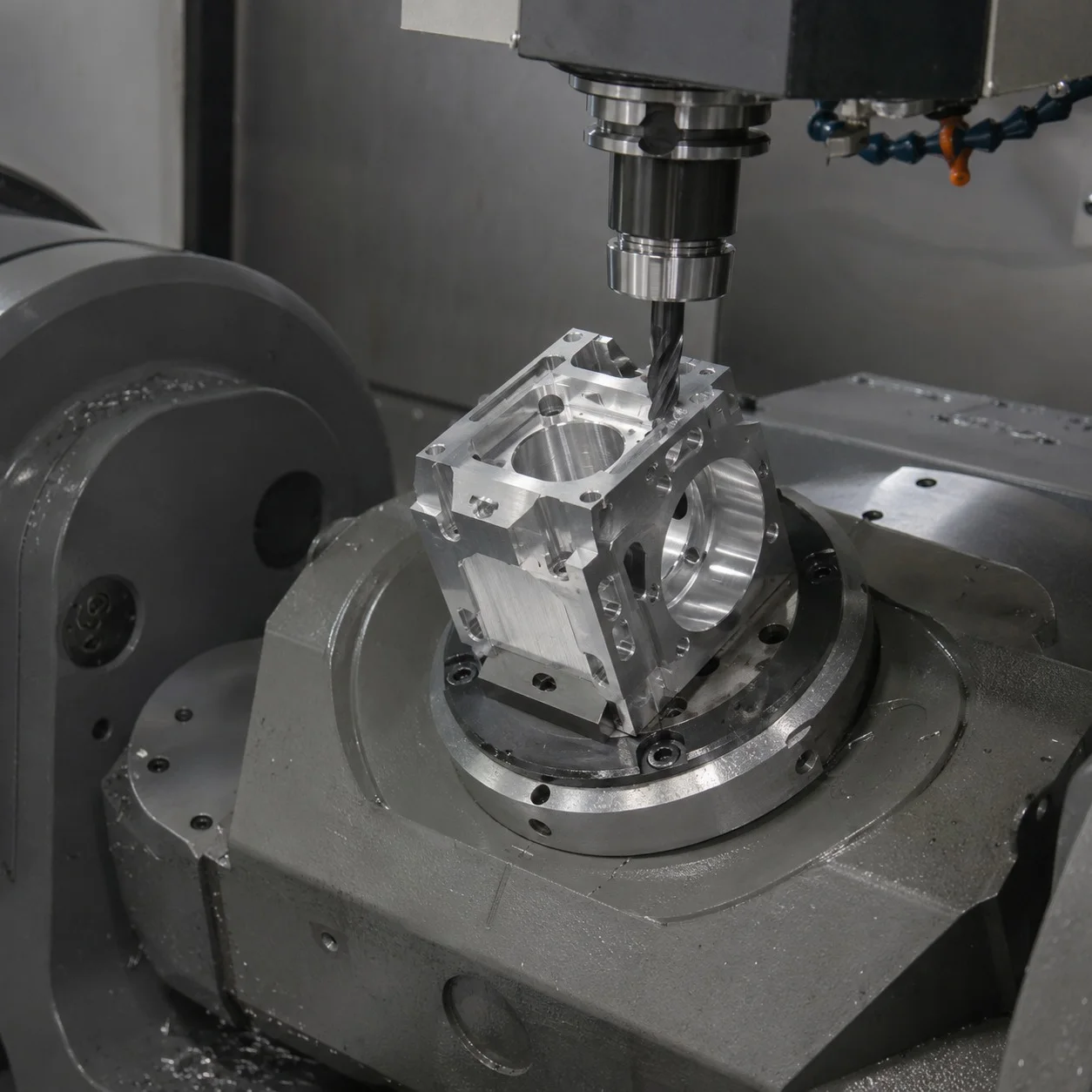
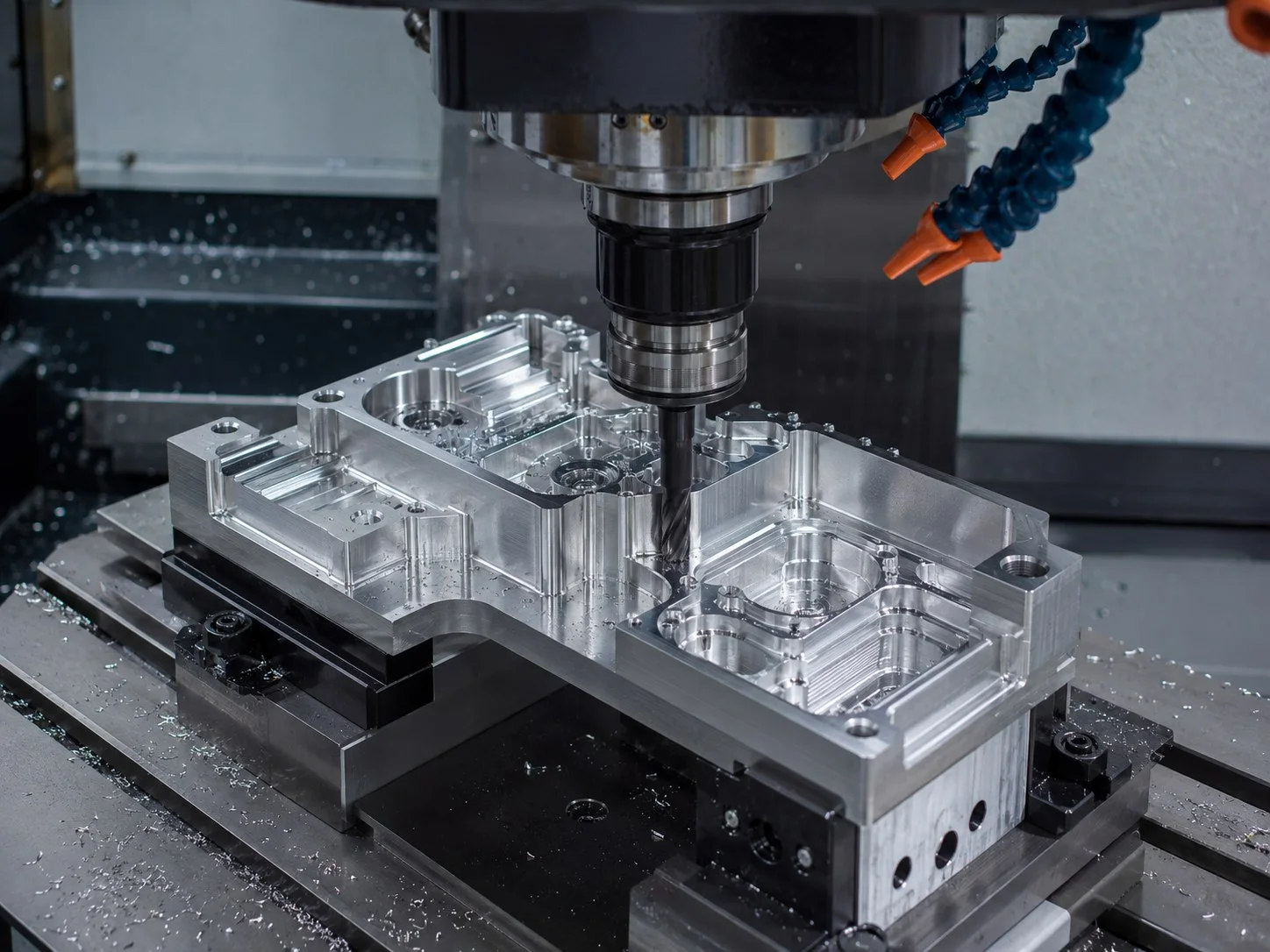
For prismatic and complex parts with pockets, contours, holes, threads, and multi-face features. Choose 3-axis for standard geometry or 4- and 5-axis machining for more complex access and fewer setups.
Explore CNC MillingCompare independent CNC machining suppliers for milled and turned parts, from prototypes to repeat production. Share your CAD, material, tolerance, quantity, and delivery needs to find a suitable manufacturing partner.
Find CNC Suppliers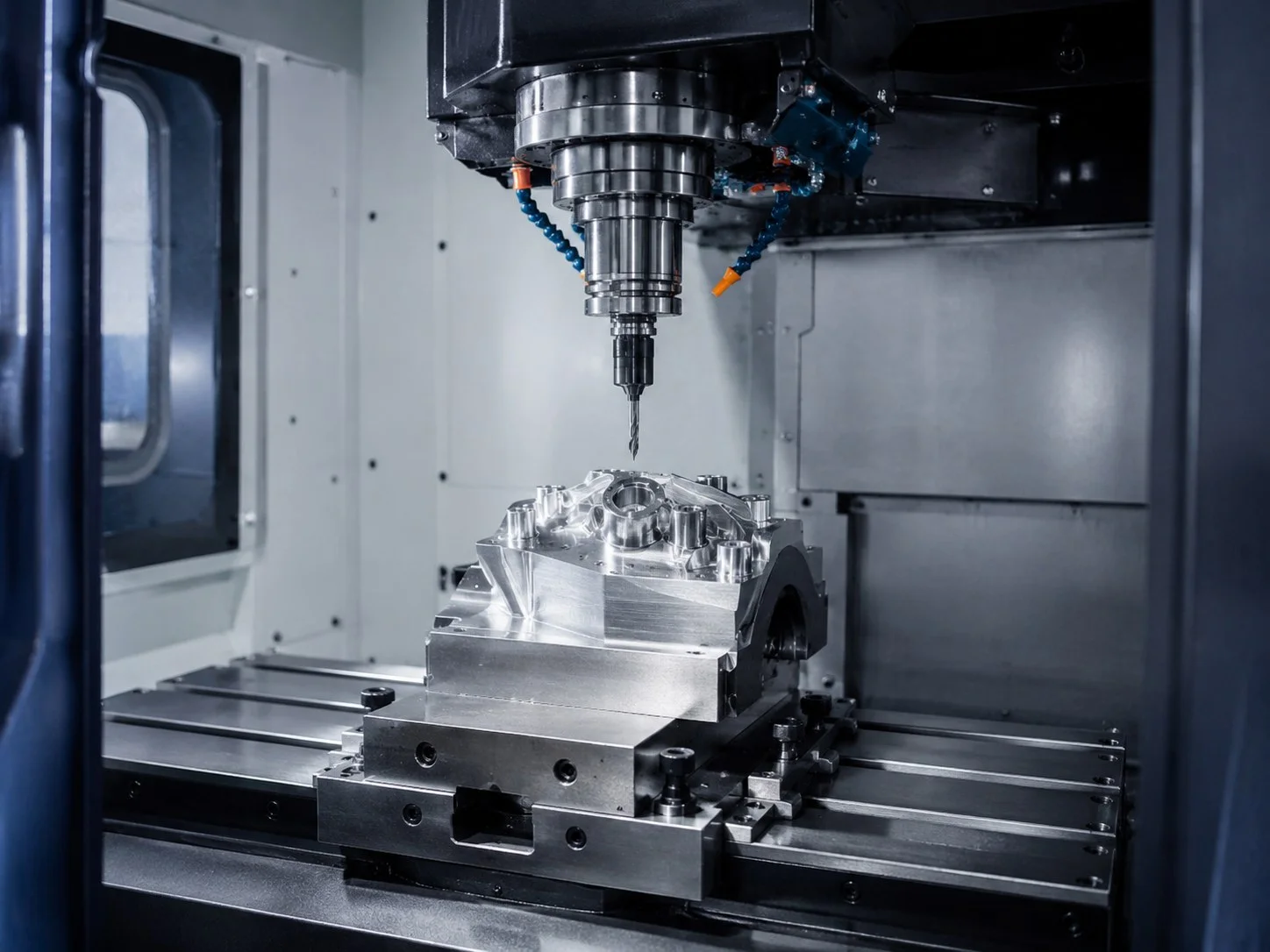
CNC supplier matching for prototypes, low-volume parts, and repeat production
Compare suppliers for CNC milling, turning, multi-axis machining, and secondary operations based on your part geometry, tolerance, material, quantity, and production needs.
For prismatic and complex parts with pockets, contours, holes, threads, and multi-face features. Choose 3-axis for standard geometry or 4- and 5-axis machining for more complex access and fewer setups.
Explore CNC Milling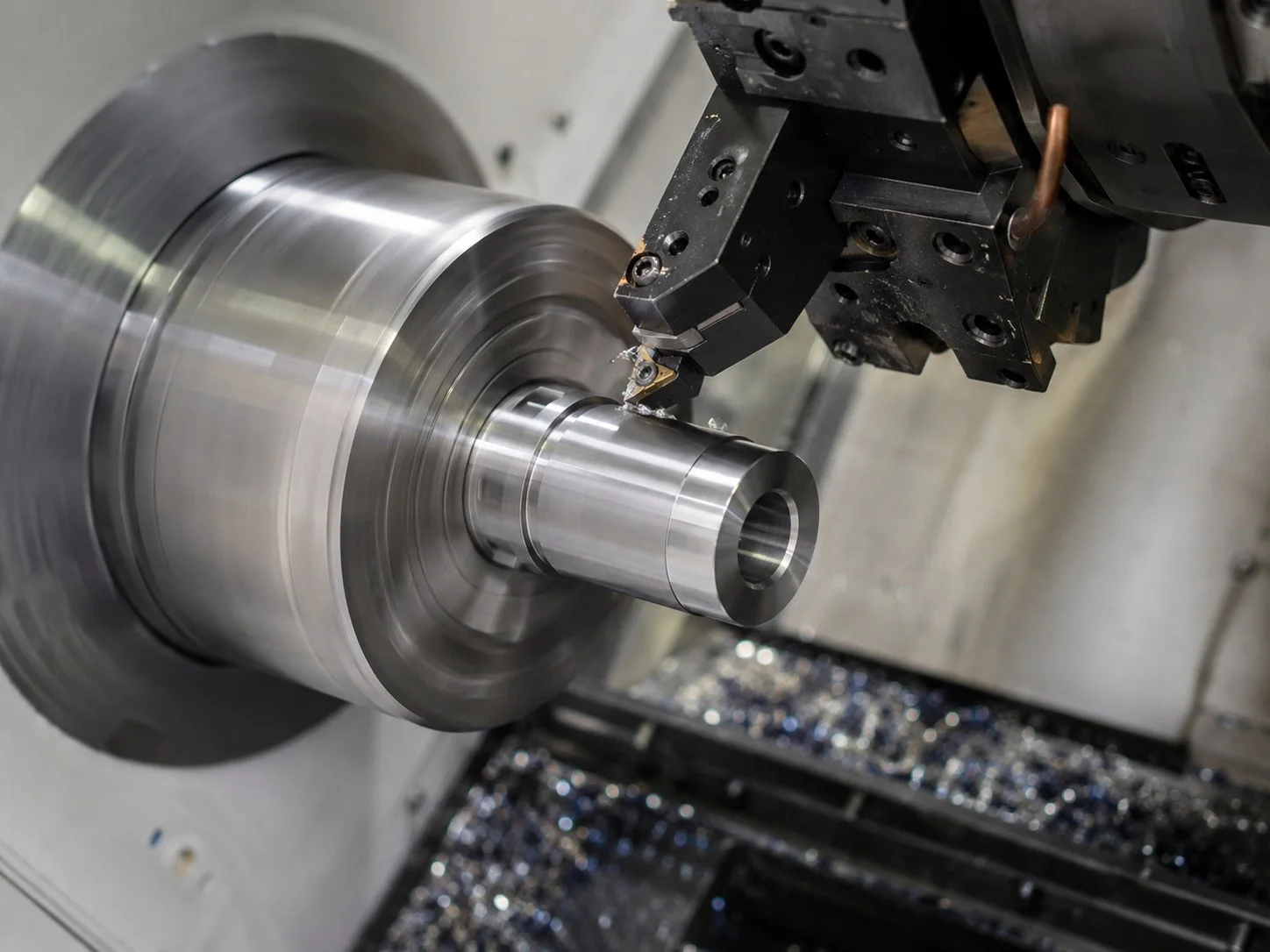
For shafts, bushings, pins, rings, and other rotational parts with OD/ID features, grooves, tapers, and threads. Live tooling can add cross holes, flats, and milled features in one setup.
Explore CNC TurningShare your CAD, material, tolerances, quantity, and timeline to compare suitable machining routes and suppliers. For early design validation, rapid CNC prototyping can support fit, function, material, and design checks before repeat production.
Discuss Your ProjectSUPPLIER NETWORK
RapidMfgPro helps organize supplier searches around process fit, machining capability, production volume, quality requirements, and delivery needs. Buyers evaluate each supplier and approve final quotations, lead times, and commercial terms directly.
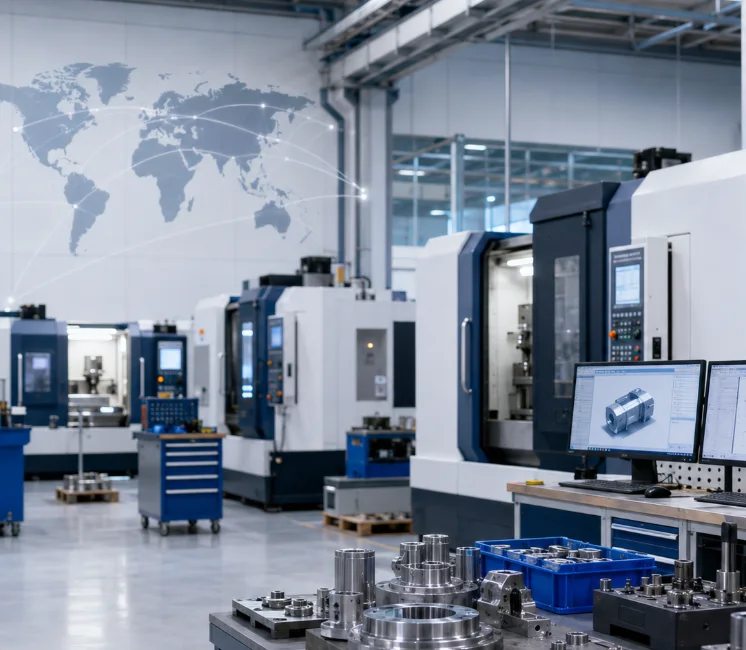
Compare CNC materials by strength, weight, corrosion resistance, machinability, temperature, and end-use requirements before requesting supplier quotes.
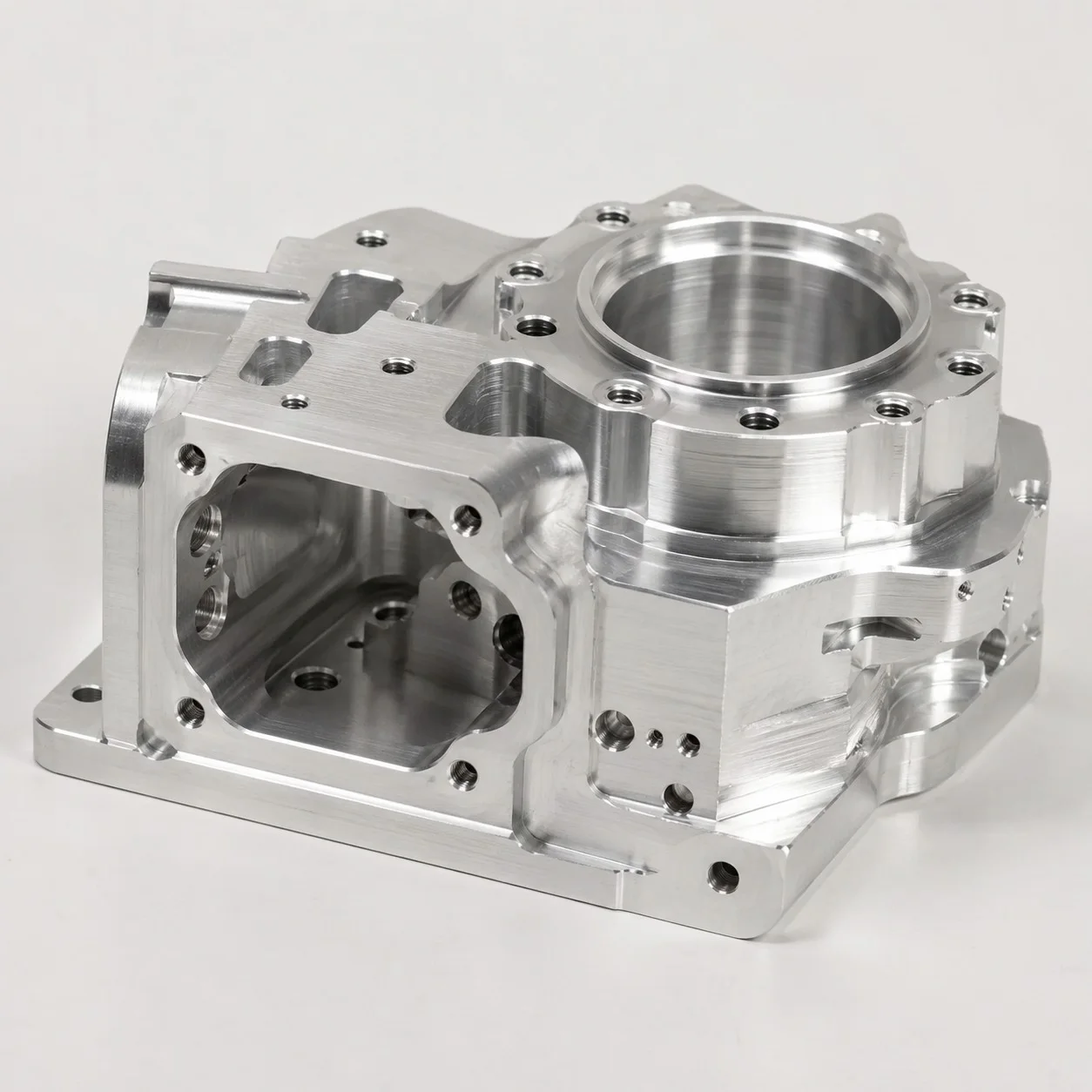
Aluminum is widely used for lightweight CNC parts that require good machinability, corrosion resistance, and a strong strength-to-weight ratio.
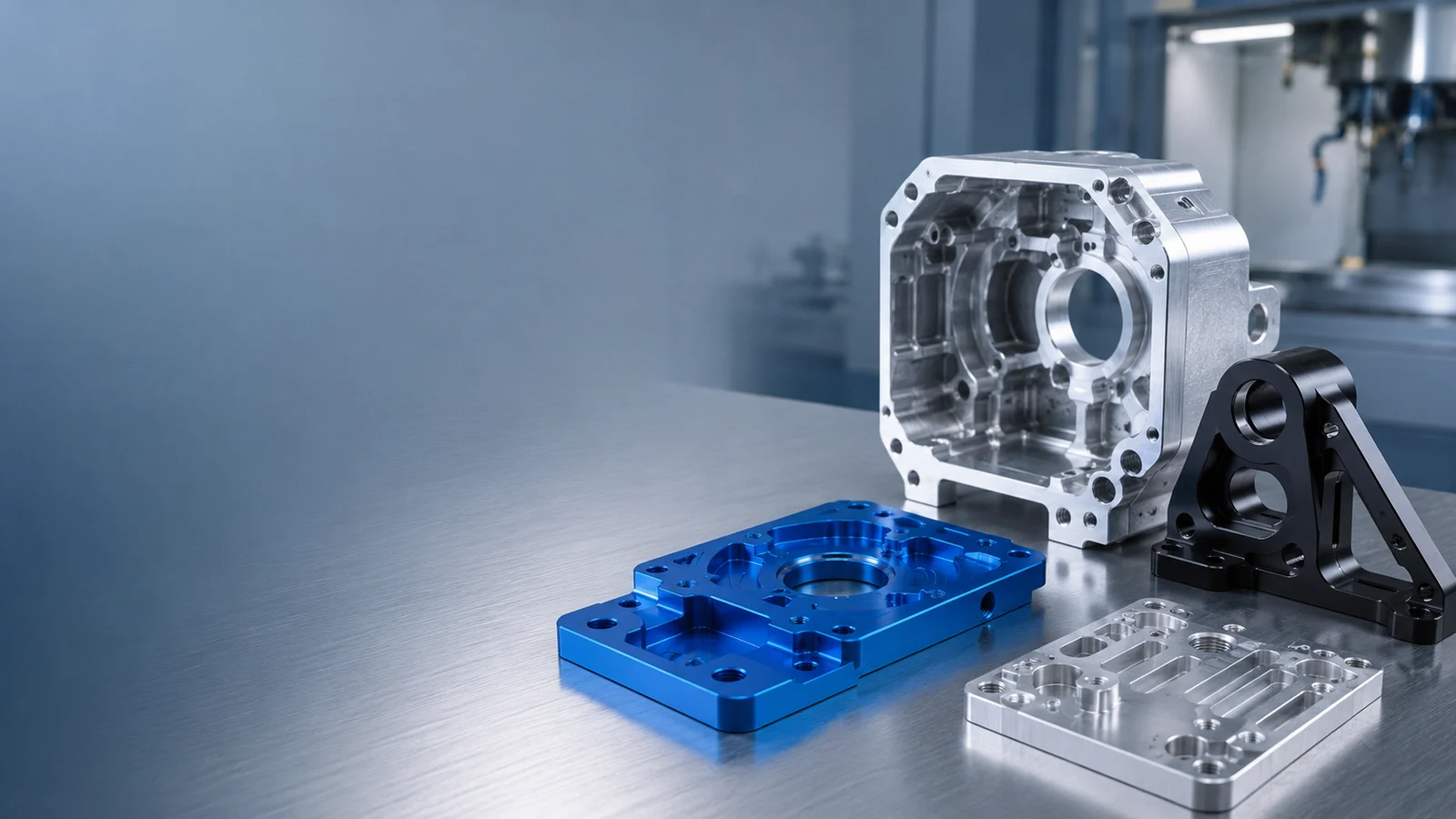
Choose finishes based on corrosion resistance, wear, appearance, texture, and final use. Define finish requirements before quoting so suppliers can account for masking, thickness, and post-process dimensions.
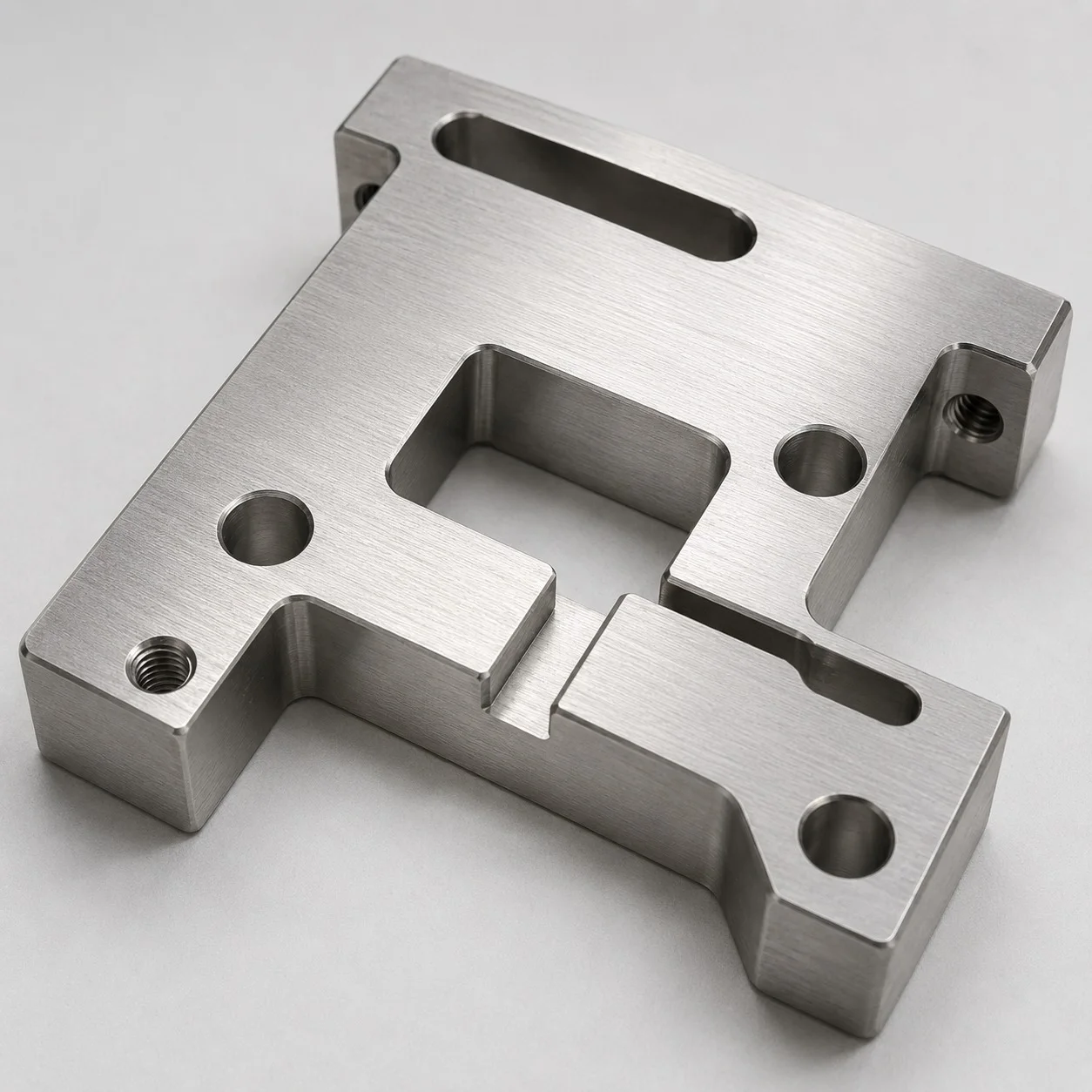
The part is supplied directly after CNC machining, retaining visible tool paths and the original material appearance. A practical option for functional parts where cosmetic finishing is not required.
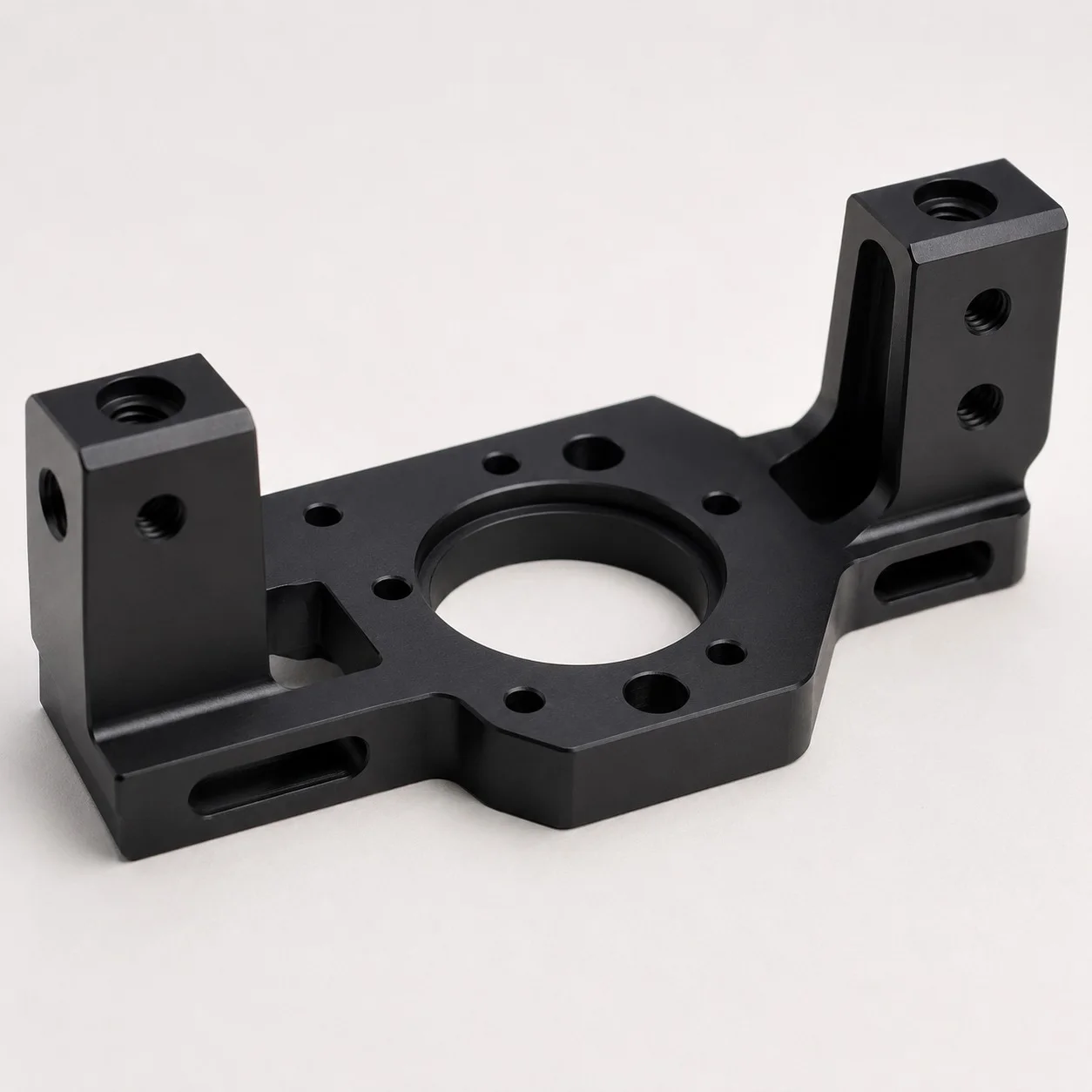
Anodizing is commonly used on aluminum parts to improve corrosion resistance and create a more durable, consistent surface. It can be specified for functional or appearance-focused components.
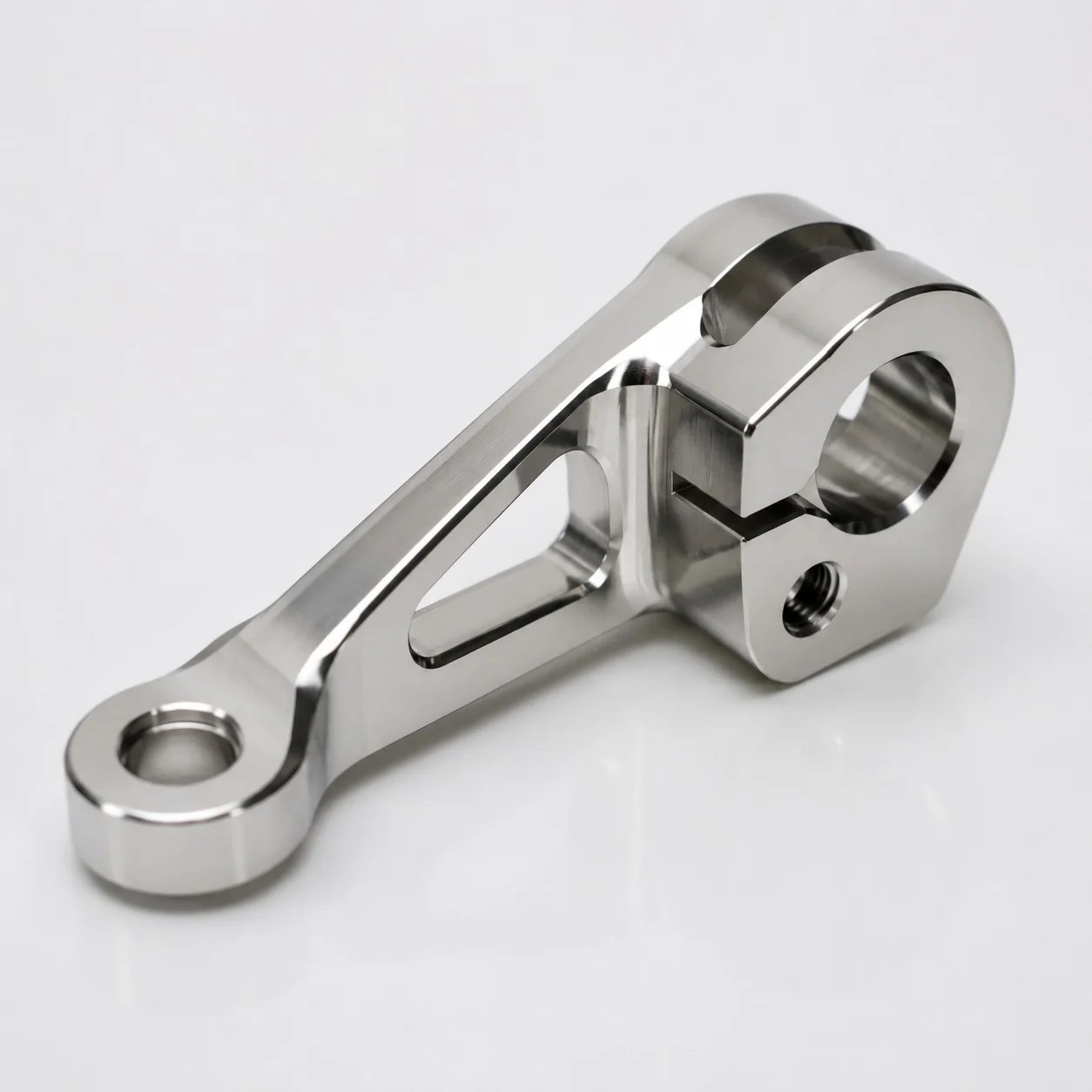
Polishing reduces visible machining marks and improves surface smoothness. It is suitable for parts that require a refined appearance, lower roughness, or easier cleaning.
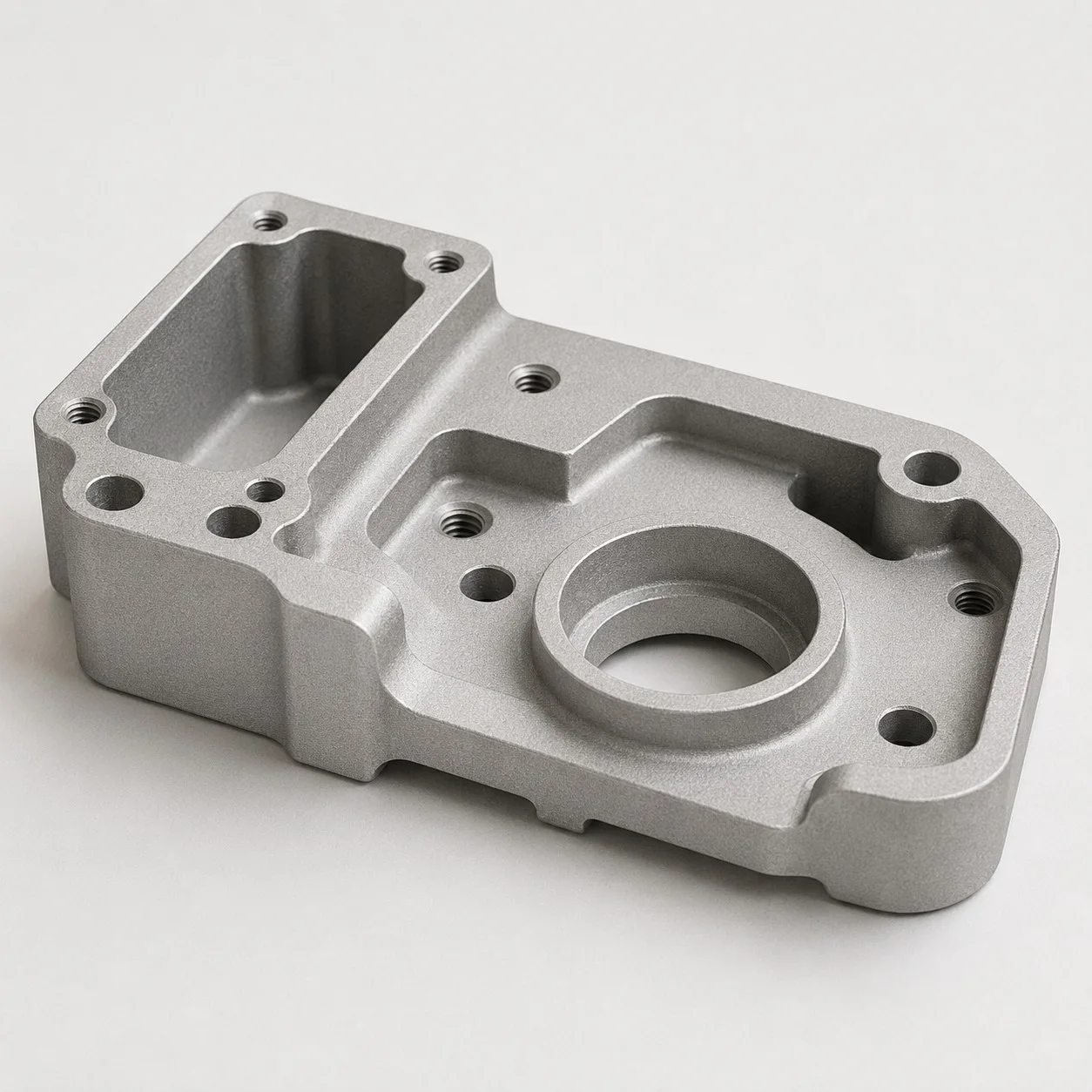
Sand blasting creates a uniform matte texture and helps reduce the visibility of machining marks, fingerprints, and minor surface variations on metal parts.
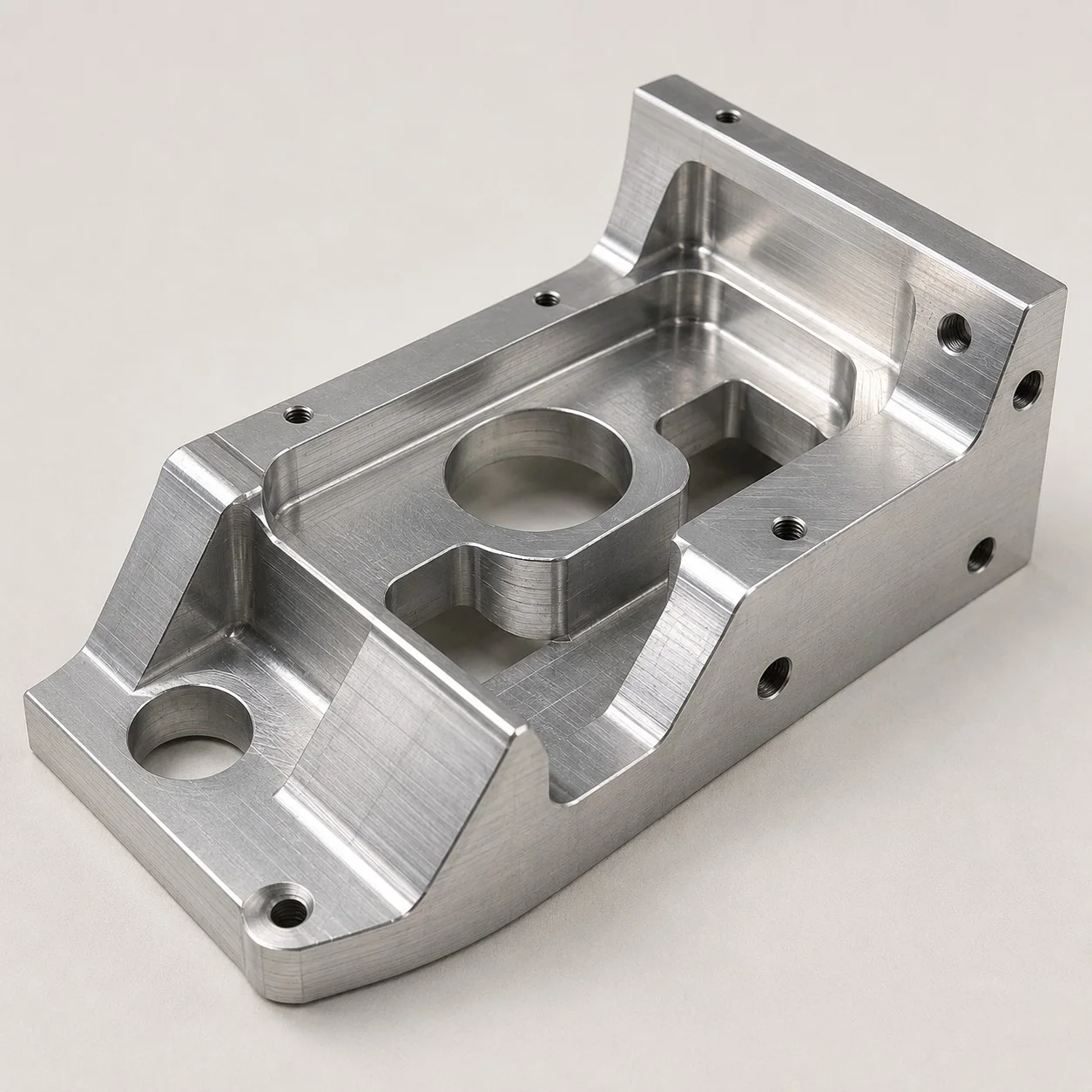
A directional satin texture created by abrasive brushing. It helps soften the appearance of light scratches and machining marks, making it suitable for visible metal panels, housings, and decorative components.
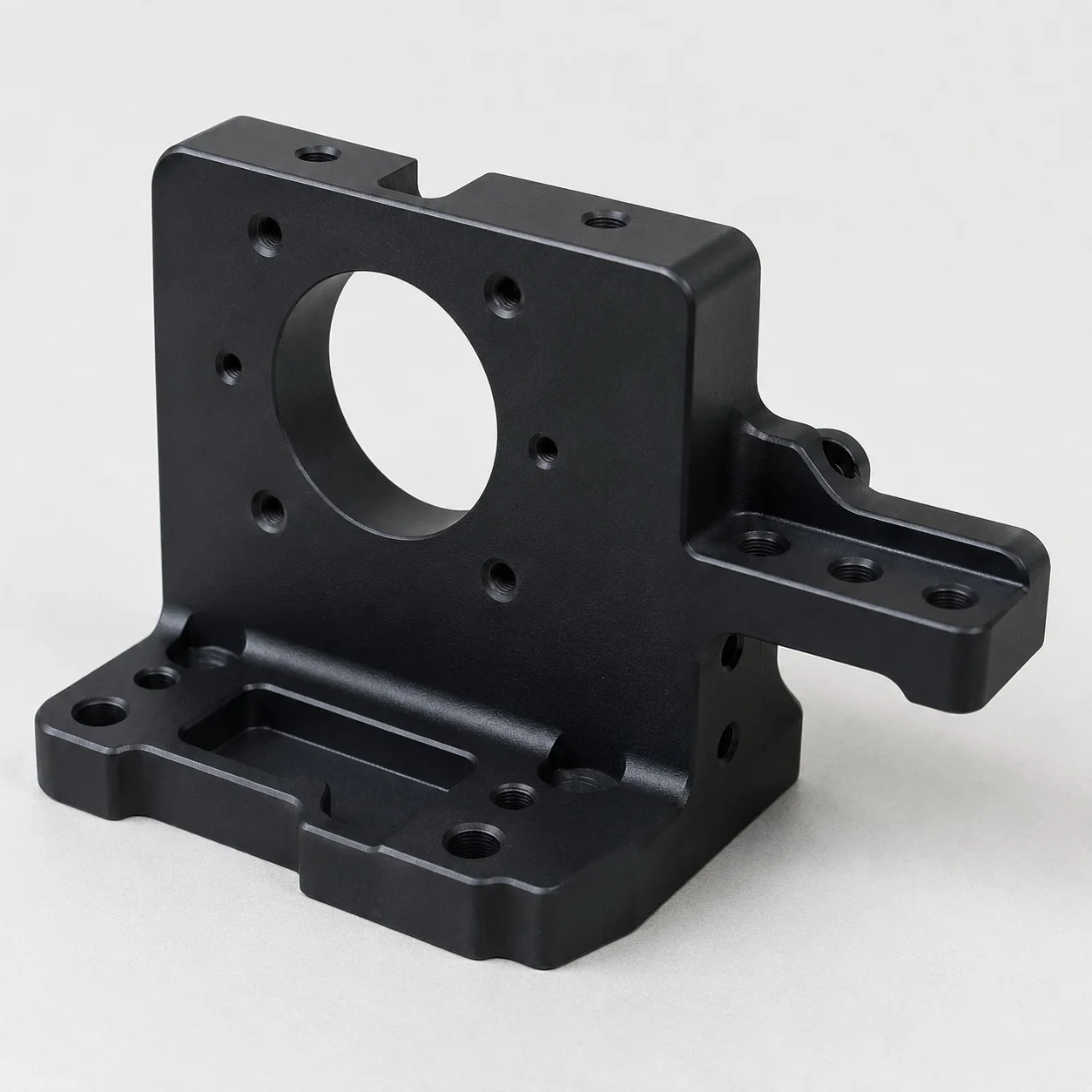
A cured polymer coating that adds color, a consistent appearance, and durable protection. Commonly used for steel and aluminum enclosures, brackets, frames, and outdoor-use parts.
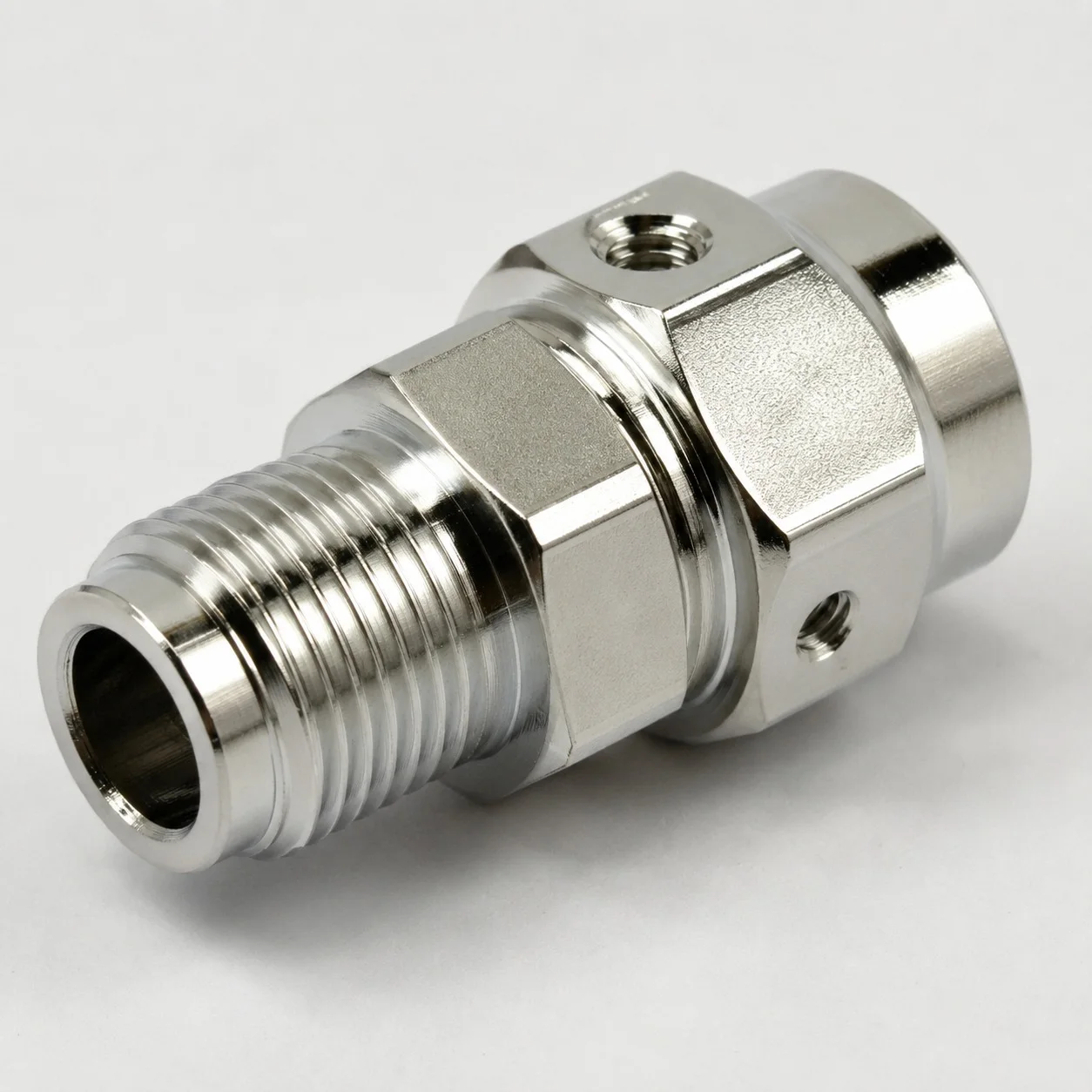
Electroplating deposits a thin metal layer to improve corrosion resistance, wear behavior, conductivity, or appearance. Common coatings include nickel, zinc, chrome, and copper.
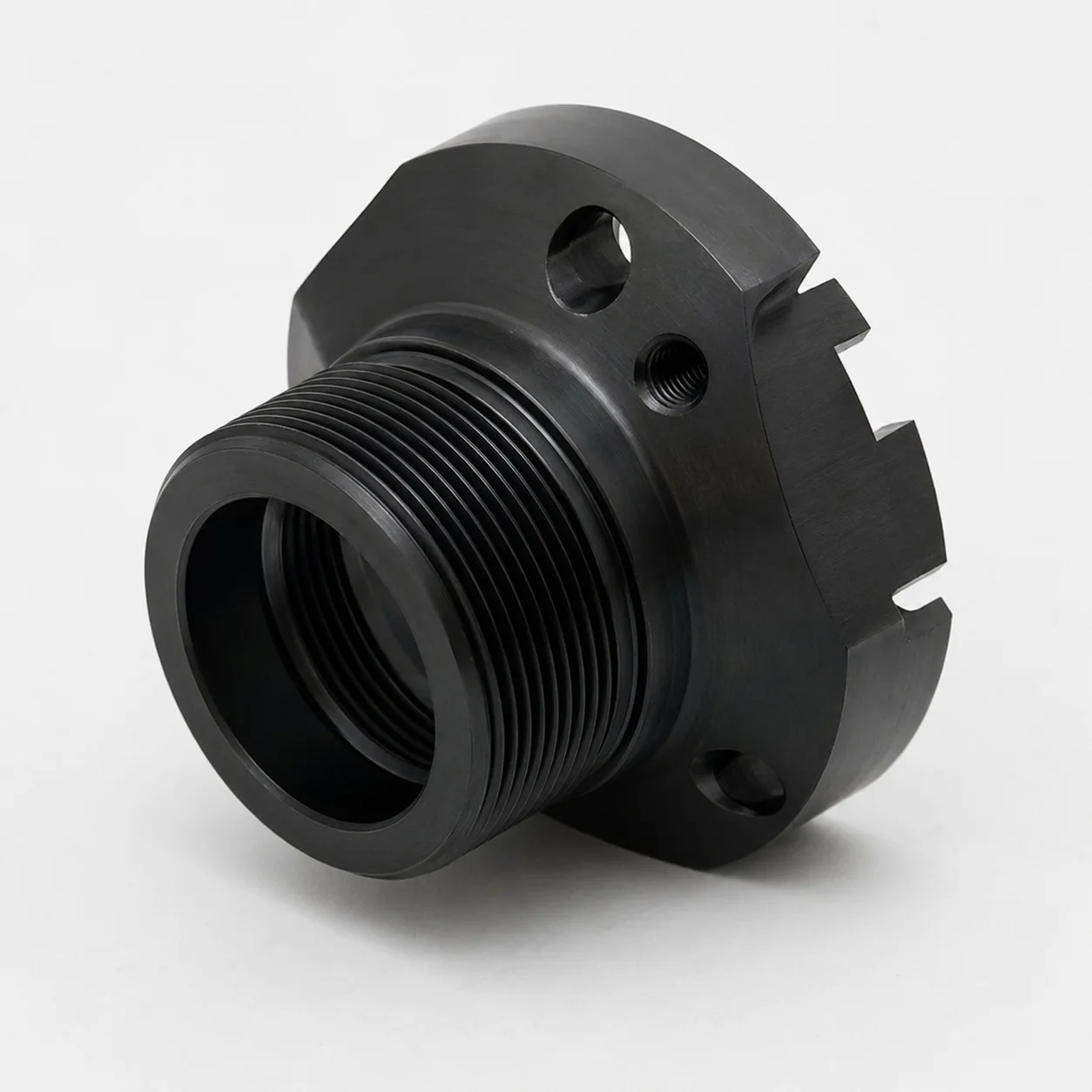
Black oxide is a conversion finish for ferrous metals that creates a dark, low-reflective surface and is often sealed with oil or wax for added corrosion protection.
INDUSTRIES
Compare CNC suppliers by process, material, tolerance, quality requirements, production volume, and delivery needs for industry-specific parts.
Tolerance capability depends on geometry, material, process, setup, inspection method, and quantity. Treat the values below as sourcing references and verify drawing-specific requirements with the selected supplier.
| Description | Capability |
|---|---|
| General Tolerances | Metals: ISO 2768-m Plastics: ISO 2768-c |
| Precision Tolerances | Some suppliers may quote tight tolerances when geometry, material, process control, and inspection capability support them. Verify every tolerance and GD&T requirement directly with the selected supplier. |
| Min Wall Thickness | 0.5mm |
| Min End Mill Size | 0.5mm |
| Min Drill Size | 1mm |
| Maximum Part Size | CNC Milling: 4000×1500×600 mm CNC Turning: 200×500 mm |
| Minimum Part Size | CNC Milling: 5×5×5 mm CNC Turning: 2×2 mm |
| Production Volume | Prototyping: 1–100 pcs Low volume: 101–10,000 pcs High volume: Above 10,001 pcs |
| Lead Time | 5 business days for most projects. Delivery of simple parts can be as fast as 1 day. |
Review datums, critical features, inspection needs, and process risks before production so supplier capability can be compared against the actual drawing.
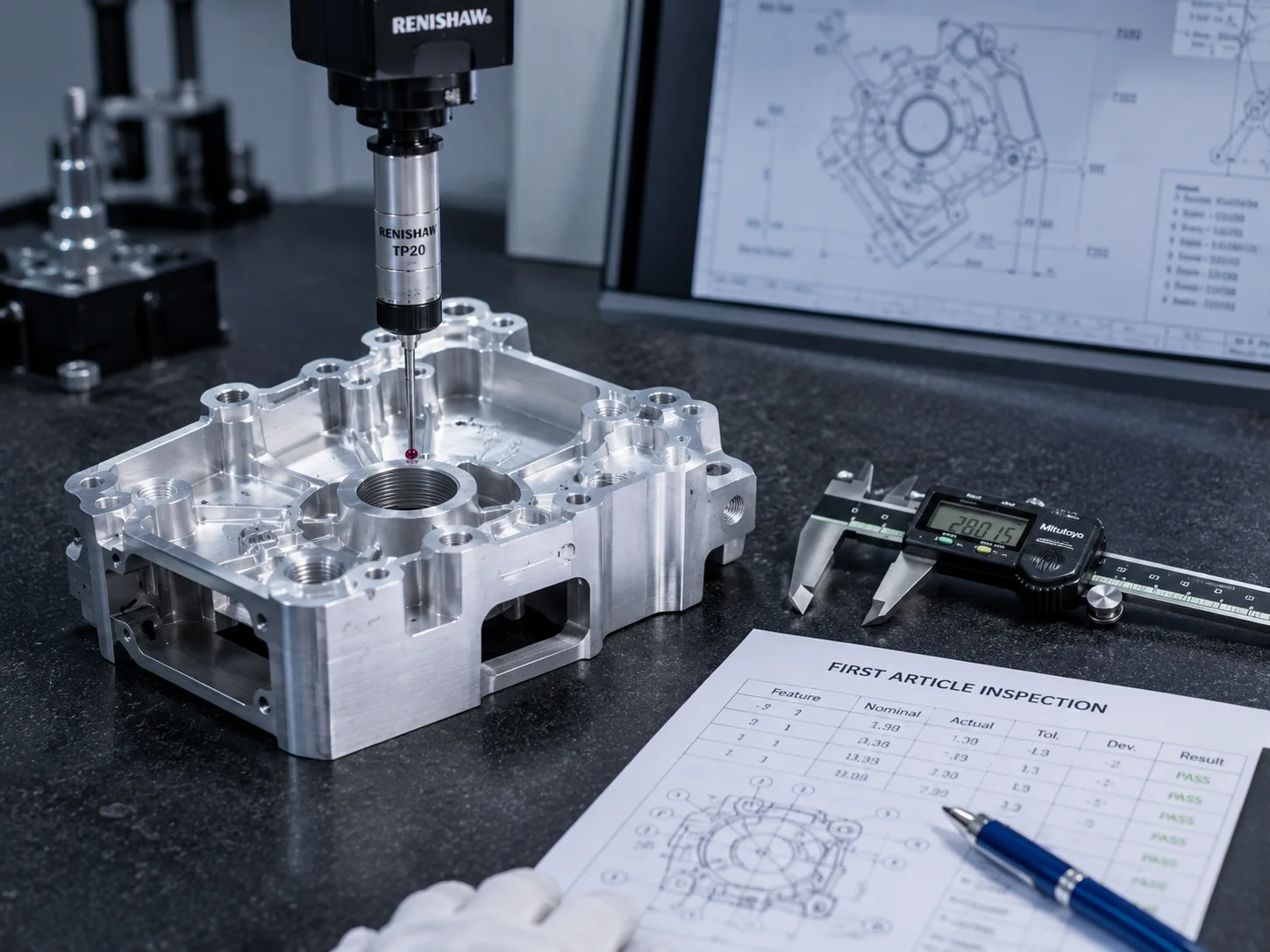
For parts with multiple machined faces, tight positional relationships, or critical assemblies, machining datums and clamping approaches should be considered before production begins to reduce setup-related variation.
Thin walls, deep cavities, small threads, precision bores, narrow slots, and cosmetic surfaces often need different machining strategies. These features can be identified early for more practical process planning.
For repeat or higher-risk parts, first-piece review can help confirm key dimensions, fit-related features, and machining results before the next production stage proceeds.
WHY RAPIDMFGPRO
Use one structured sourcing process to compare machining fit, supplier capabilities, technical questions, and project requirements.
Match the process to part access, feature complexity, material behavior, tolerance, and secondary operations.
Compare suppliers against the machining process, production range, inspection needs, and technical fit required by the part.
Keep technical questions, supplier feedback, updates, and next steps organized throughout the sourcing process.