MaterialsArticle
What is 41Cr4 Steel? Everything You Should Know
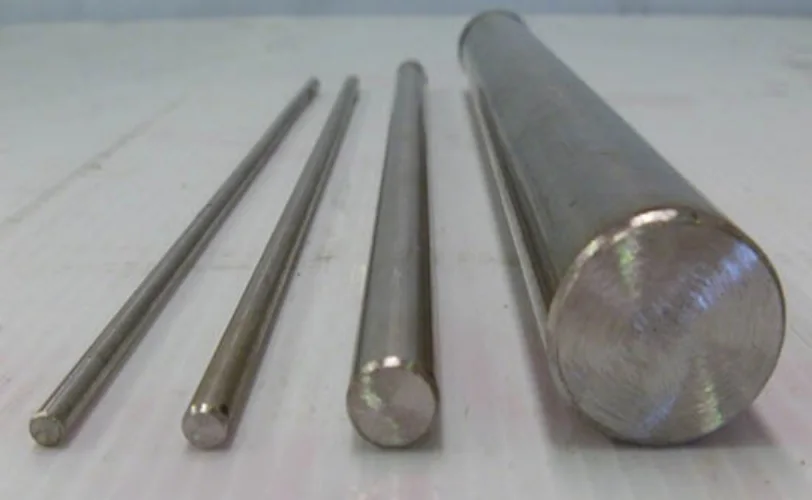
41Cr4 steel is a strong alloy that beats many steels like C45 in hardening. It also possesses remarkable mechanical properties, making it suitable for…
→RAPIDMFGPRO RESOURCE CENTER
Browse independent articles about CNC machining, materials, surface treatments, part design, production planning, RFQ preparation, and supplier evaluation.
BROWSE BY TOPIC
Choose a topic collection for independent manufacturing education, RFQ preparation, and supplier research.
CNC milling, turning, multi-axis machining, tolerances, tooling, and practical decisions for custom machined parts.
View collection 02 MATEngineering metals and plastics, grade comparisons, machinability, performance, and material selection for manufactured parts.
View collection 03 FINFinishes and coatings for appearance, corrosion resistance, wear, conductivity, cleanliness, and assembly requirements.
View collection 04 DFMDFM guidance for geometry, tolerances, walls, holes, threads, bends, fits, and assembly-ready part features.
View collection 05 MFGPrototype, low-volume, and repeat production guidance covering process selection, quality planning, lead time, and scaling.
View collection 06 RFQRFQ preparation, quotations, supplier evaluation, quality documents, delivery, communication, and manufacturing sourcing risk.
View collectionRECENT INSIGHTS
MaterialsArticle
41Cr4 steel is a strong alloy that beats many steels like C45 in hardening. It also possesses remarkable mechanical properties, making it suitable for…
→
Surface TreatmentArticle
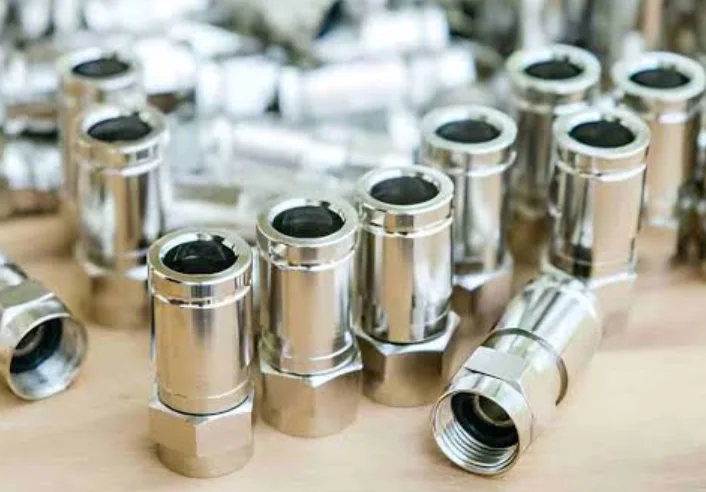
How to polish nickel plating without scratching or wearing through the finish. Learn safe cleaning, polishing methods, products to avoid, and when replating…
→
MaterialsArticle
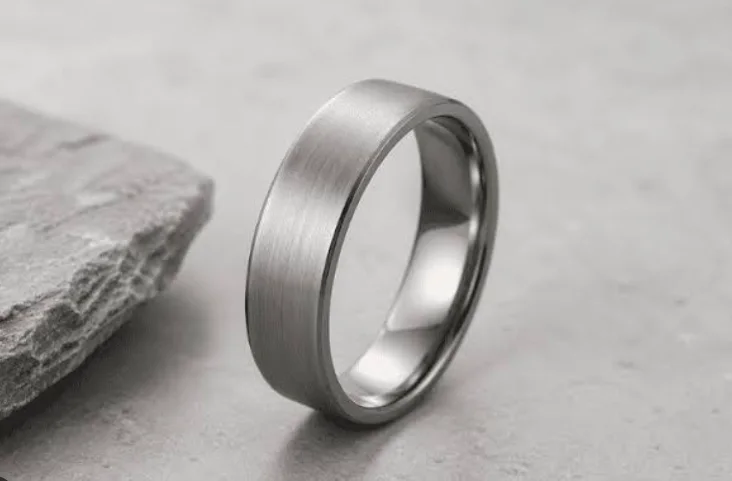
Does titanium tarnish? Learn why titanium resists tarnish, what causes color changes and oxidation, and how CNC machining affects titanium surfaces.
→
MaterialsArticle
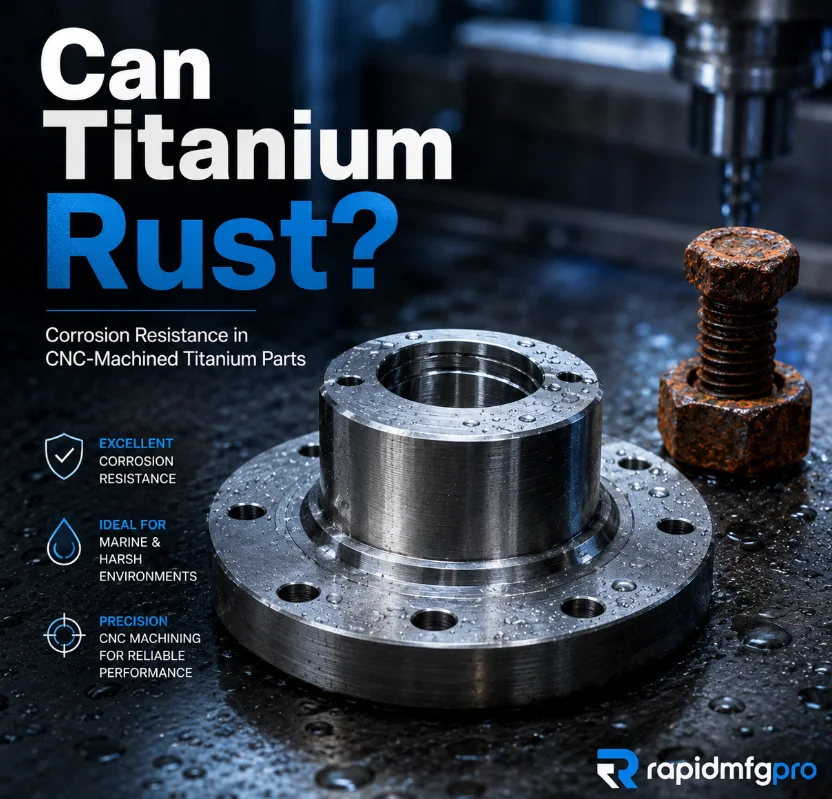
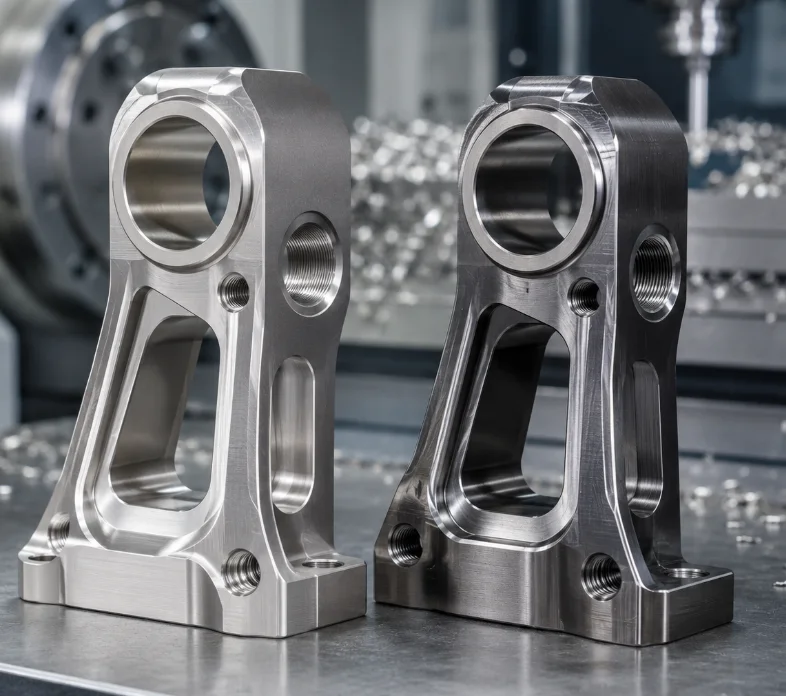
Can titanium rust? Learn why titanium resists rust, when corrosion can occur, how salt water affects it, and what this means for CNC-machined titanium parts.
→
MaterialsArticle
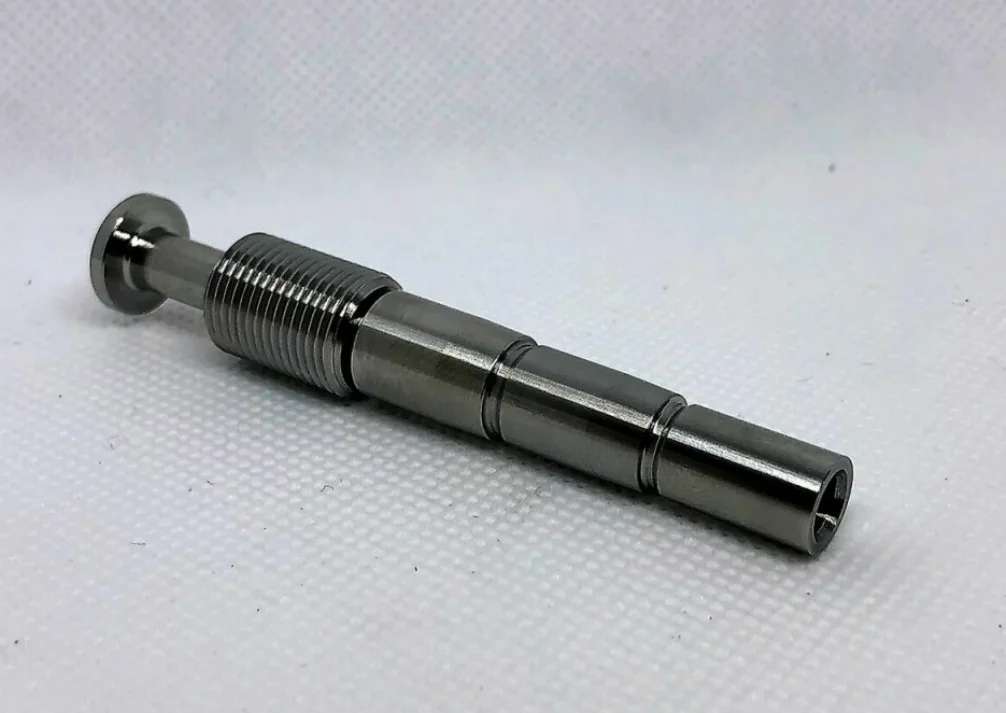
Is titanium stronger than steel? Compare strength, weight, hardness, corrosion resistance, machinability, CNC cost, and key material differences.
→
MaterialsArticle
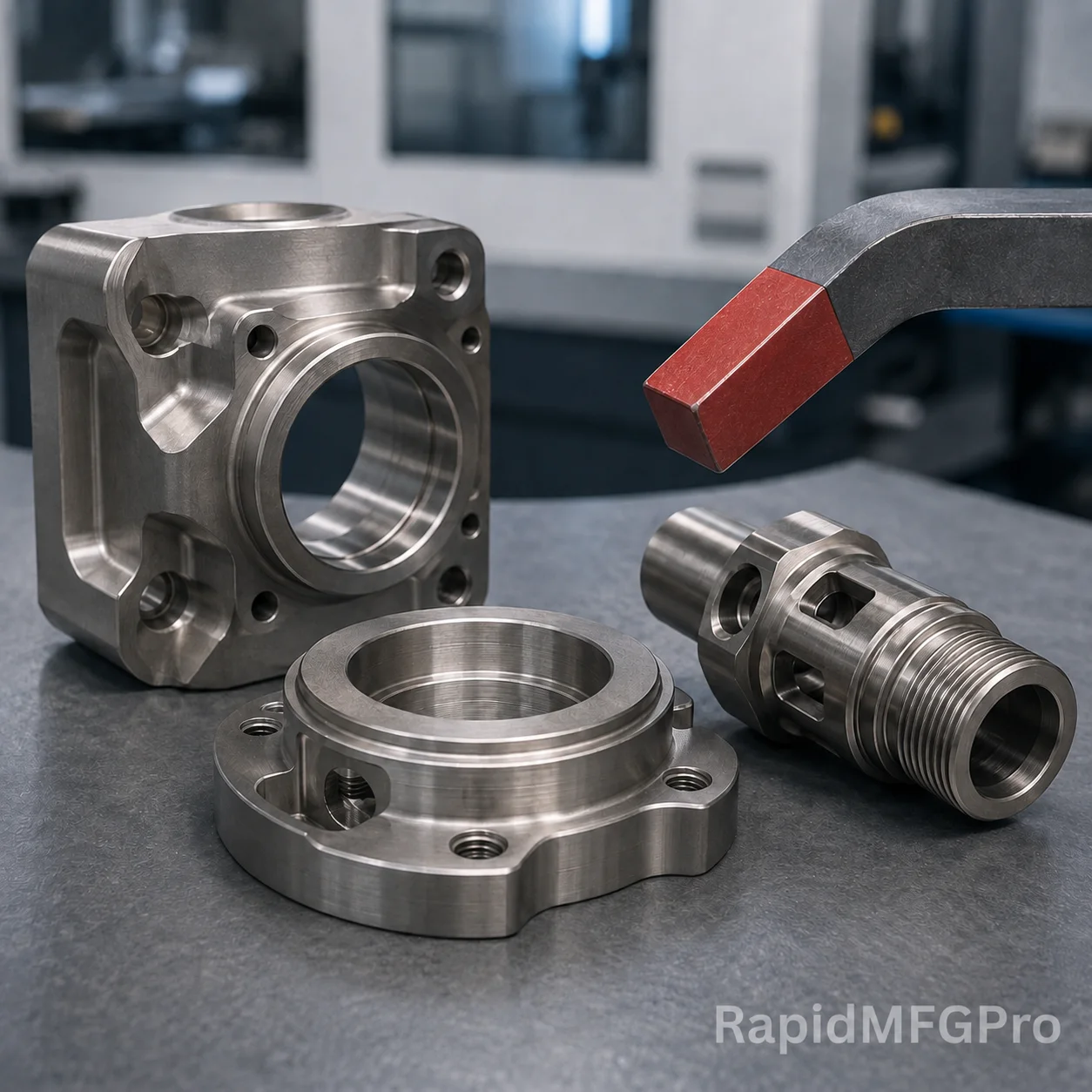
Turning titanium is not difficult simply because the material is strong. The real challenge is that titanium retains heat near the cutting edge, tends to…
→
MaterialsArticle
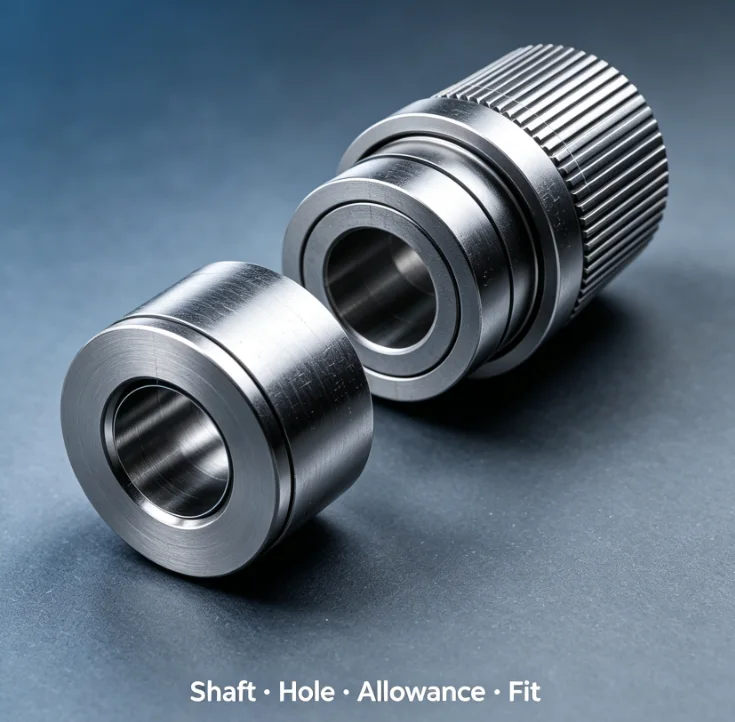
Titanium is weakly paramagnetic, but it is generally considered non-magnetic because ordinary magnets do not noticeably attract it. Commercially pure titanium…
→
Part DesignArticle
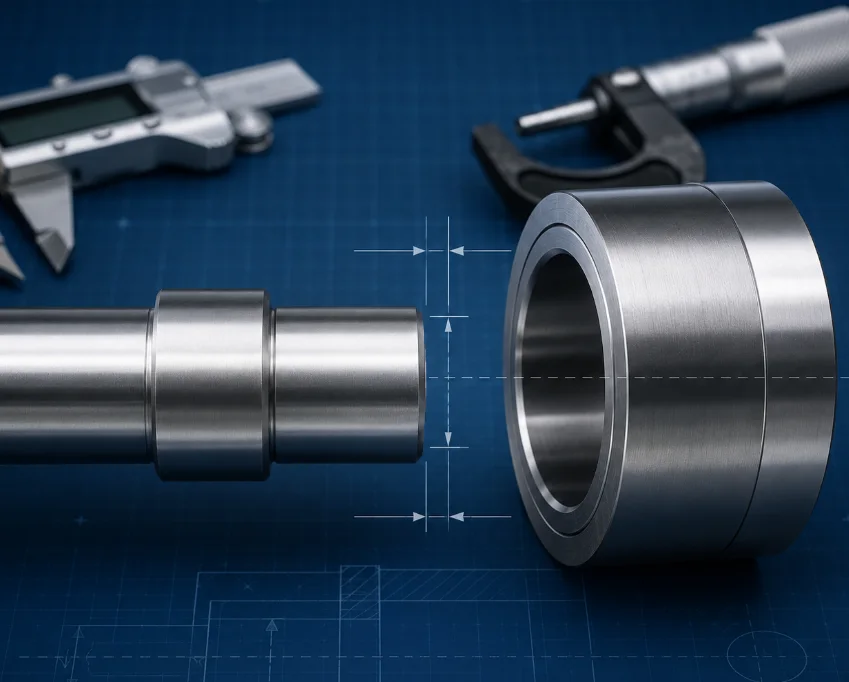
Use this press fit calculator to estimate diametral interference, interface pressure, press-in force, axial holding force, and torque capacity for a…
→
Part DesignArticle
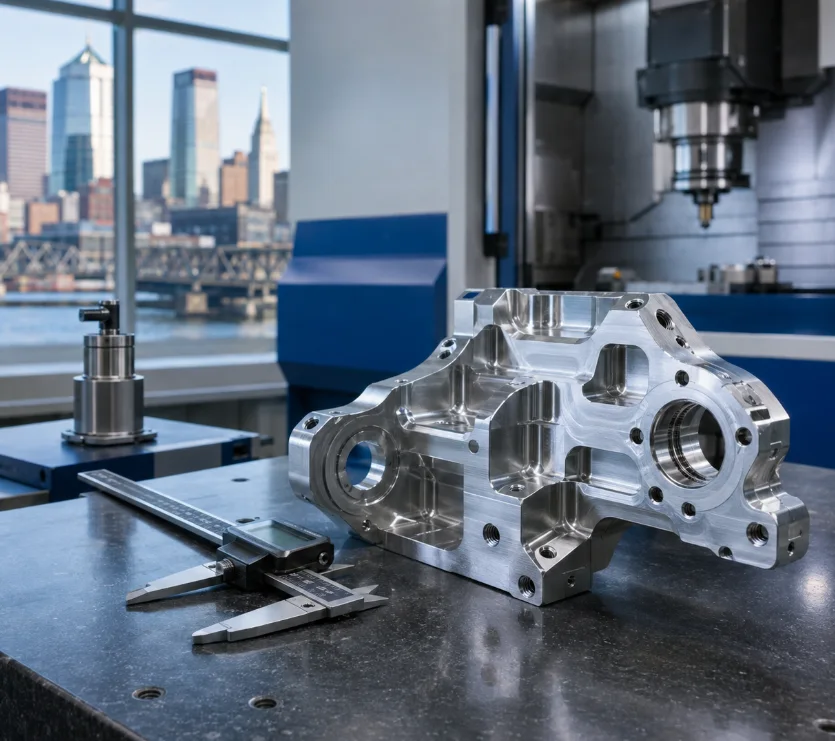
Calculate ISO hole and shaft limits, maximum and minimum clearance, and fit type for common H6-H9 holes and g6-p6 shafts from 1 to 500 mm.
→
TransactionArticle
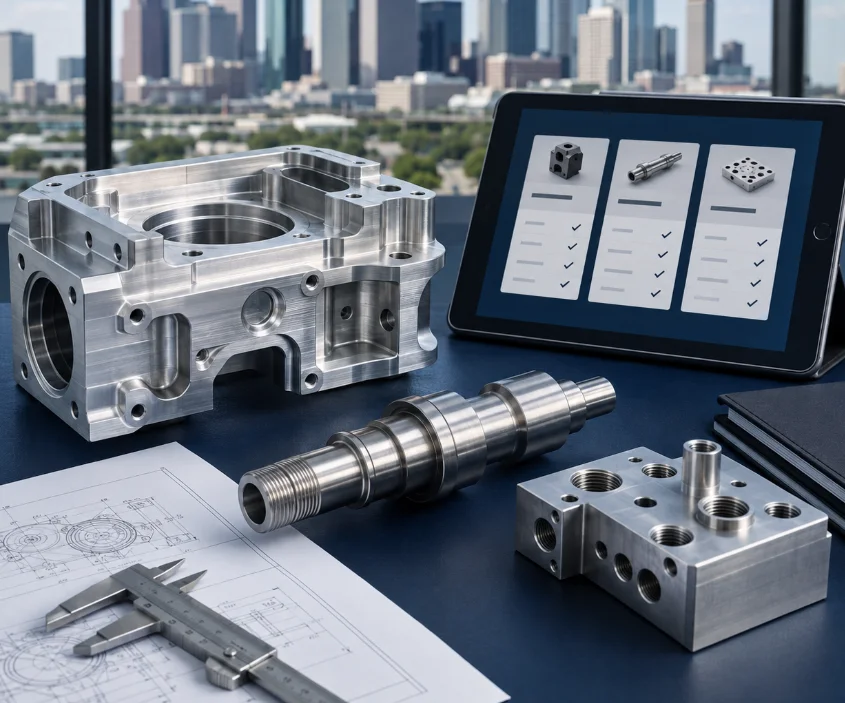
Boston companies sourcing CNC-machined parts often need more than a nearby machine shop. Robotics, medical equipment, photonics, aerospace, semiconductor, and…
→
CNC MachiningArticle
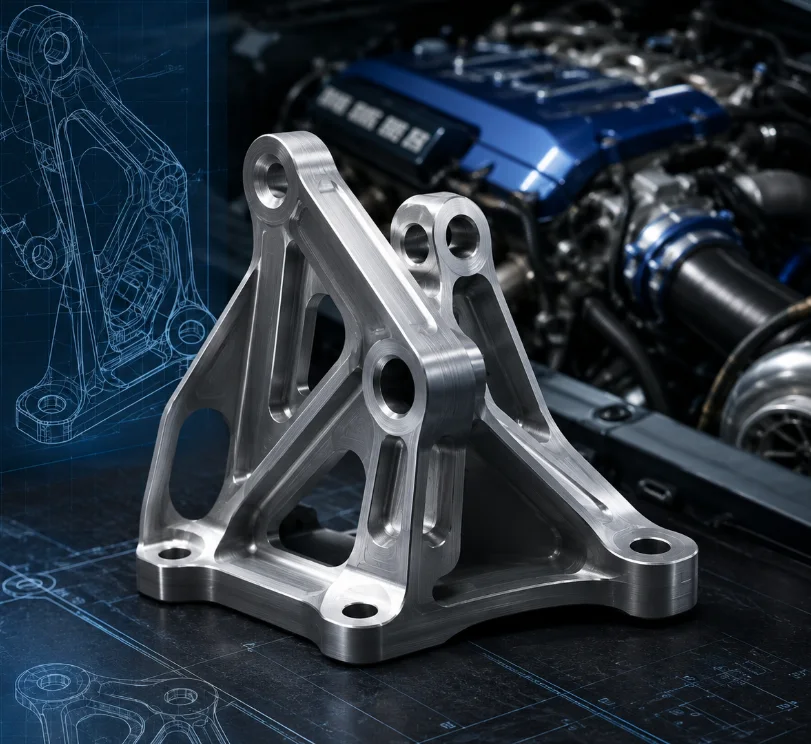
Learn how to find and compare CNC machining suppliers for Houston projects. RapidMFGPro offers free supplier references based on practical engineering…
→
CNC MachiningArticle
Yes. Motor mounting brackets can be customized to match a specific engine, chassis, transmission layout, isolator, and installation position. This is common…
→
TransactionArticle
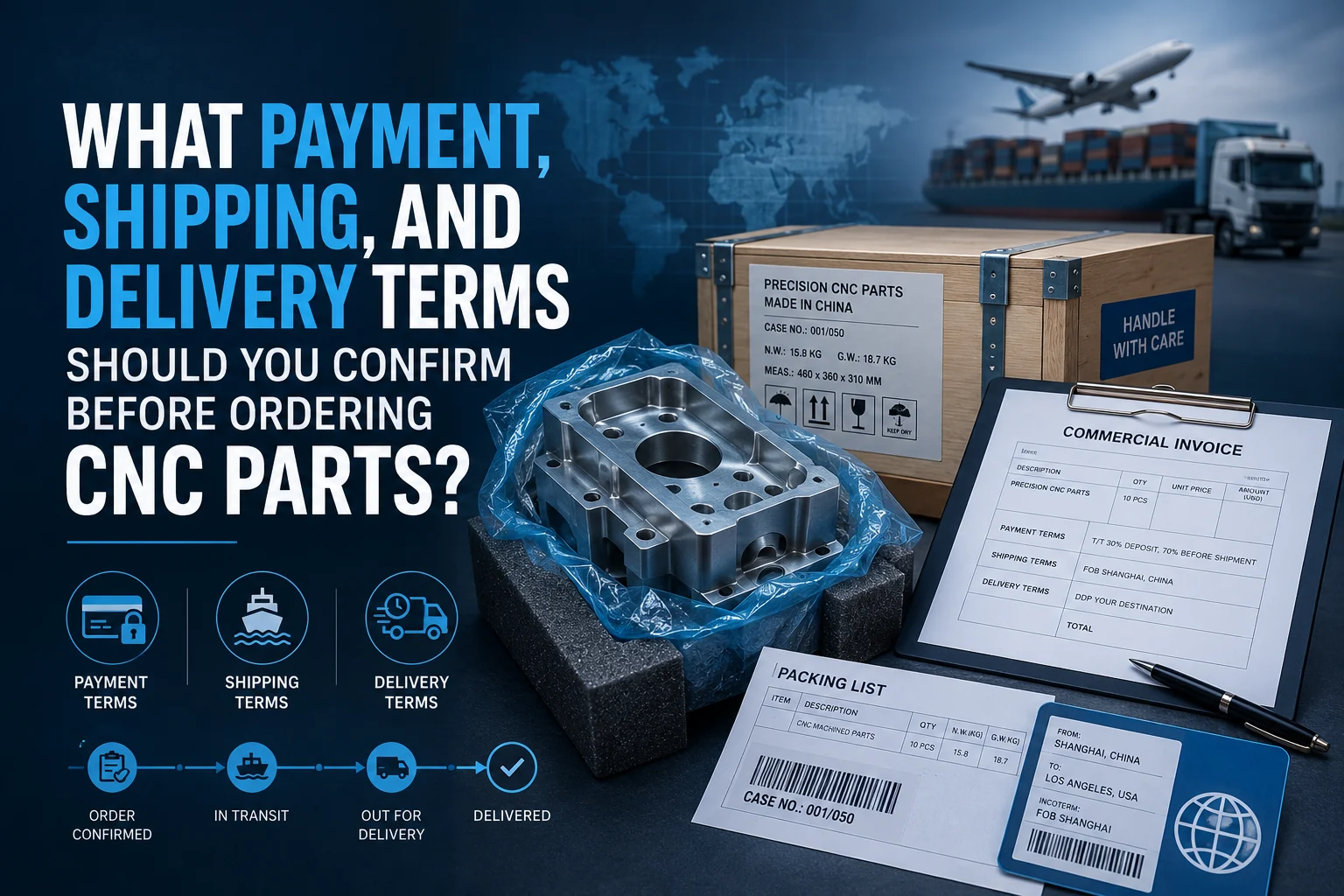
Clarify deposits, Incoterms, customs, packaging, delivery milestones, inspection evidence, and remedies before ordering custom CNC parts.
→
TransactionArticle
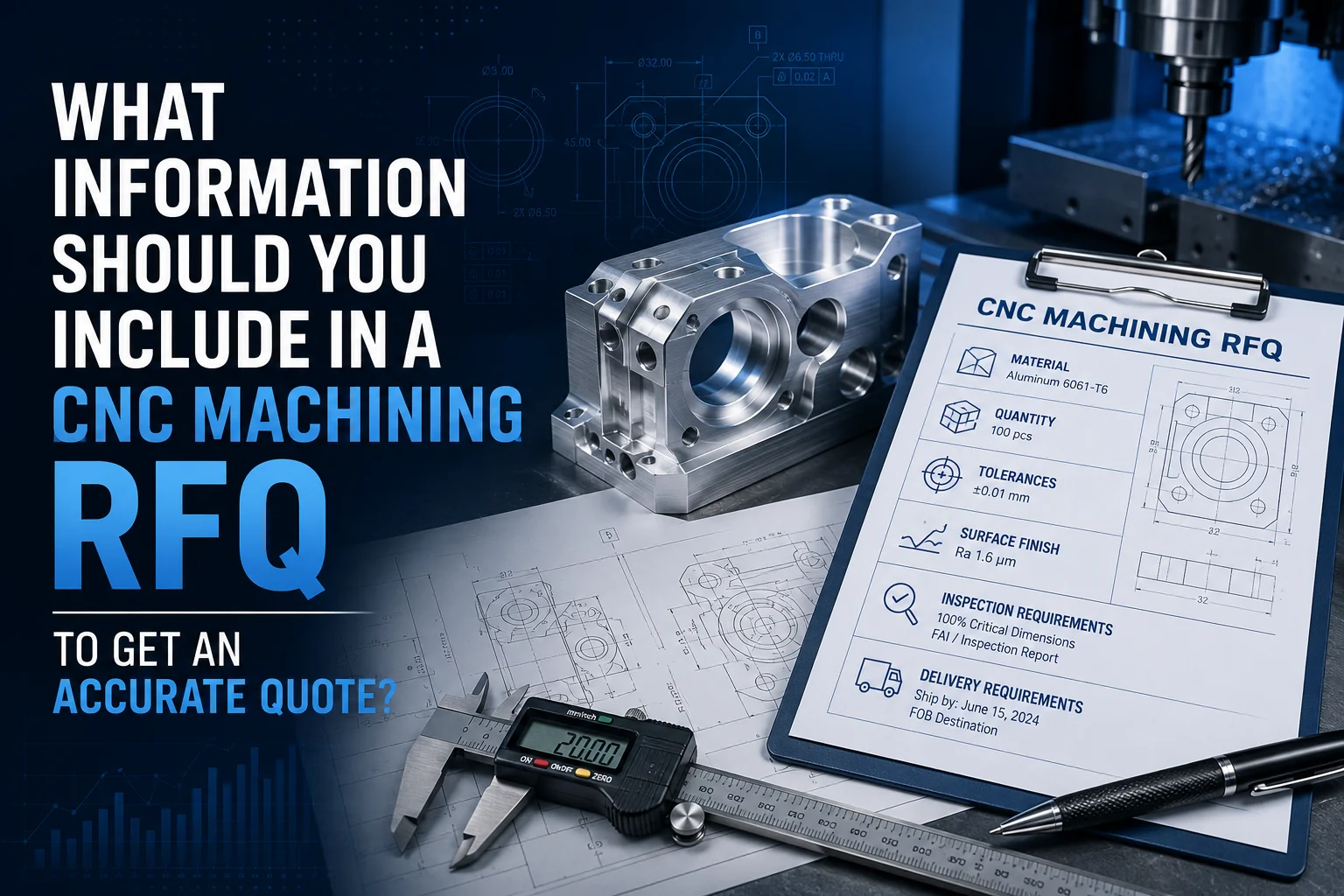
Learn which CAD files, drawings, materials, tolerances, quantities, finishes, inspection needs, and delivery details produce an accurate CNC quote.
→
TransactionArticle
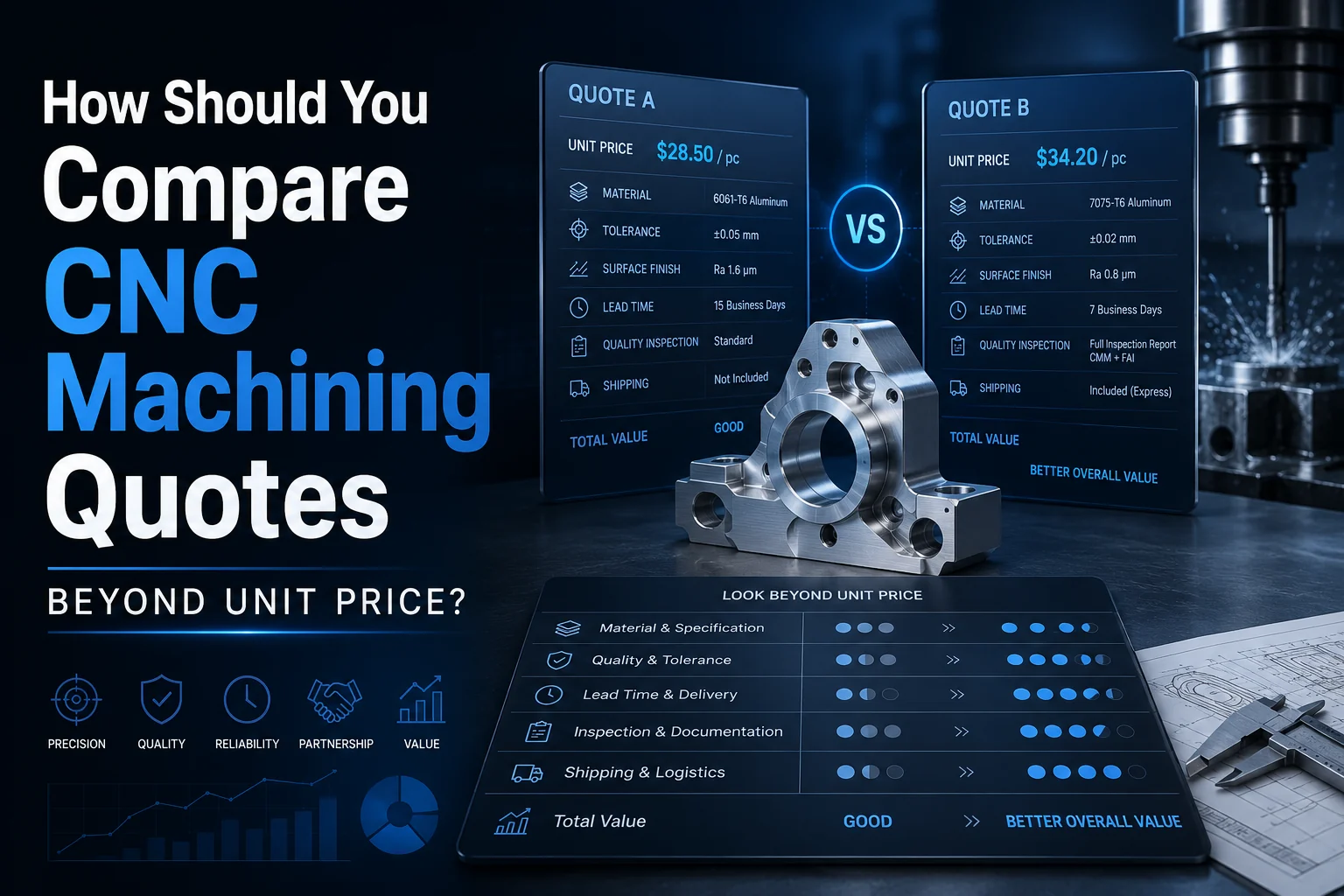
Compare CNC quotes by scope, material, quality controls, lead time, logistics, commercial terms, and total ownership risk—not unit price alone.
→
ProductionArticle
Shorten CNC delivery by removing approval, material, setup, inspection, and finishing delays without skipping controls that protect part quality.
→
ProductionArticle
See how first article inspection verifies drawings, materials, dimensions, processes, and documentation before a CNC batch enters production.
→
ProductionArticle
A staged guide to locking the design, machining process, inspection plan, supplier controls, and change management before CNC production scales.
→
ProductionArticle
Choose the right CNC production strategy by comparing demand stability, design maturity, tooling investment, unit economics, inventory, and quality control.
→
Part DesignArticle
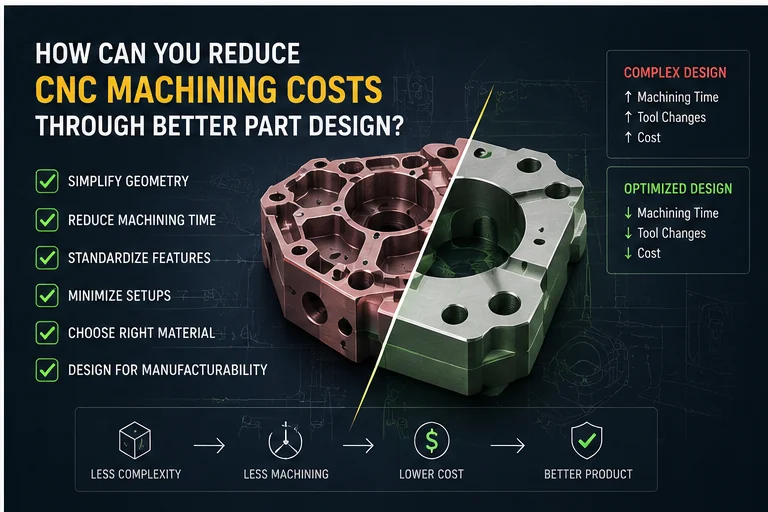
Reduce CNC cost through better stock selection, fewer setups, practical radii, stable walls, standard features, selective tolerances, and simpler finishes.
→
Part DesignArticle
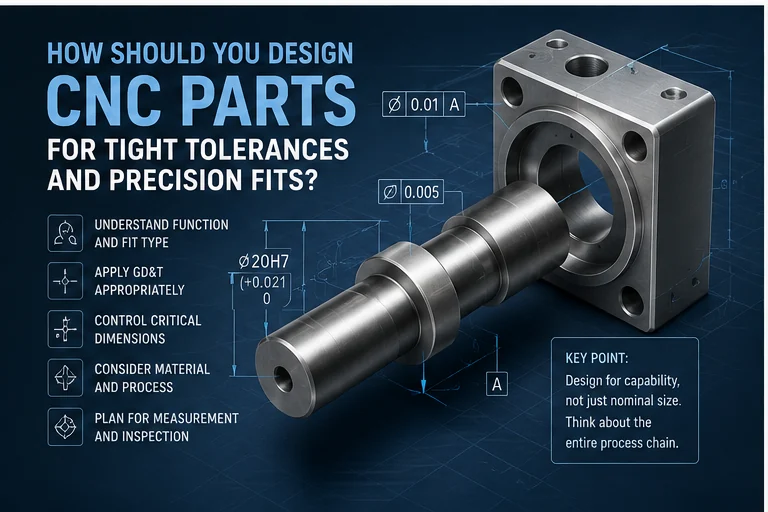
Design reliable precision fits by linking functional clearances, datum schemes, tolerance stacks, machining capability, finishing, and inspection.
→
Part DesignArticle
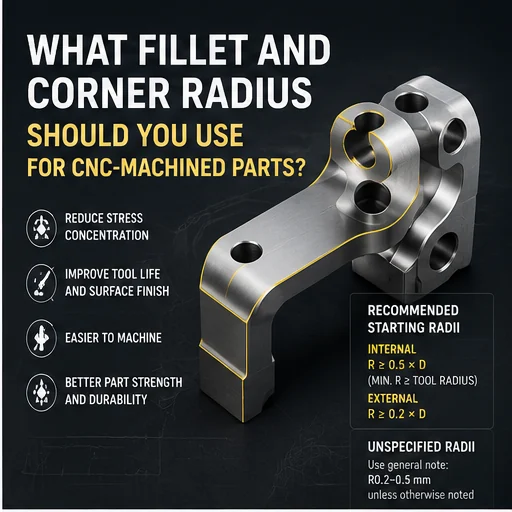
Select internal and external radii that balance tool access, pocket depth, stress, mating clearance, surface finishing, inspection, and machining cost.
→
Part DesignArticle
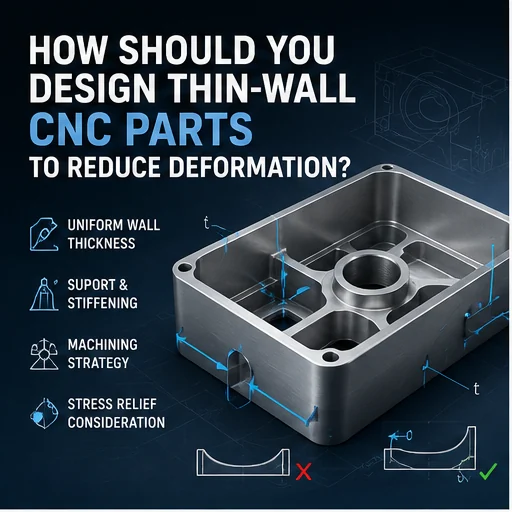
Reduce thin-wall distortion through balanced geometry, practical wall thickness, stable workholding, low-force toolpaths, process sequencing, and inspection.
→
Part DesignArticle
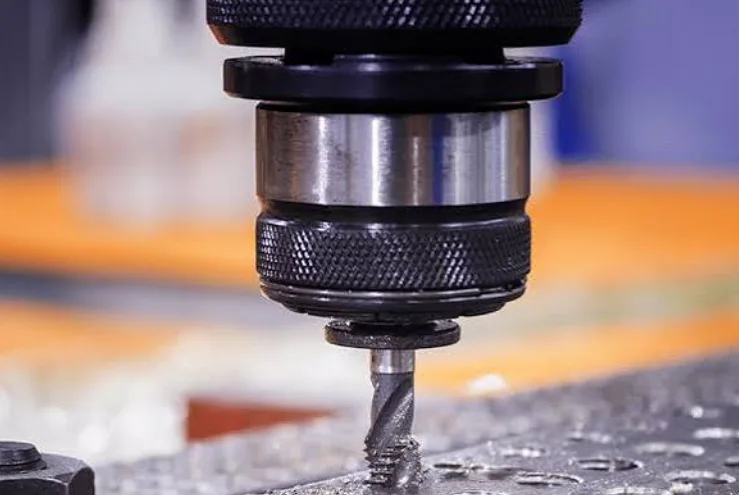
What is a tapped hole, and how is it made? Learn tap drill sizes, thread depth, blind vs through holes, CNC tapping tips, common problems, and inspection…
→
Surface TreatmentArticle
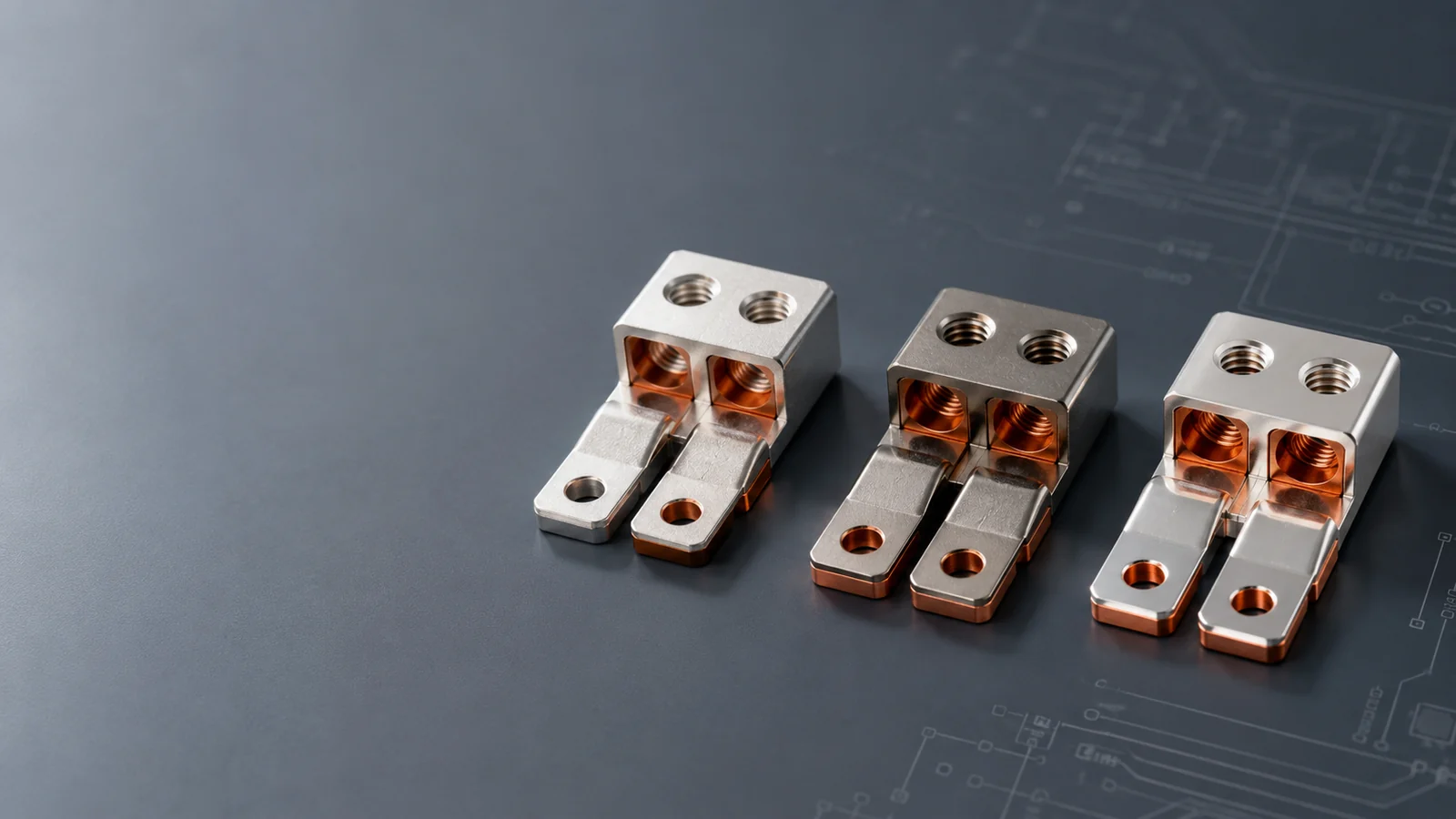
Compare tin, nickel, and silver plating for copper parts by conductivity, contact resistance, corrosion, solderability, wear, cost, and service conditions.
→
Surface TreatmentArticle
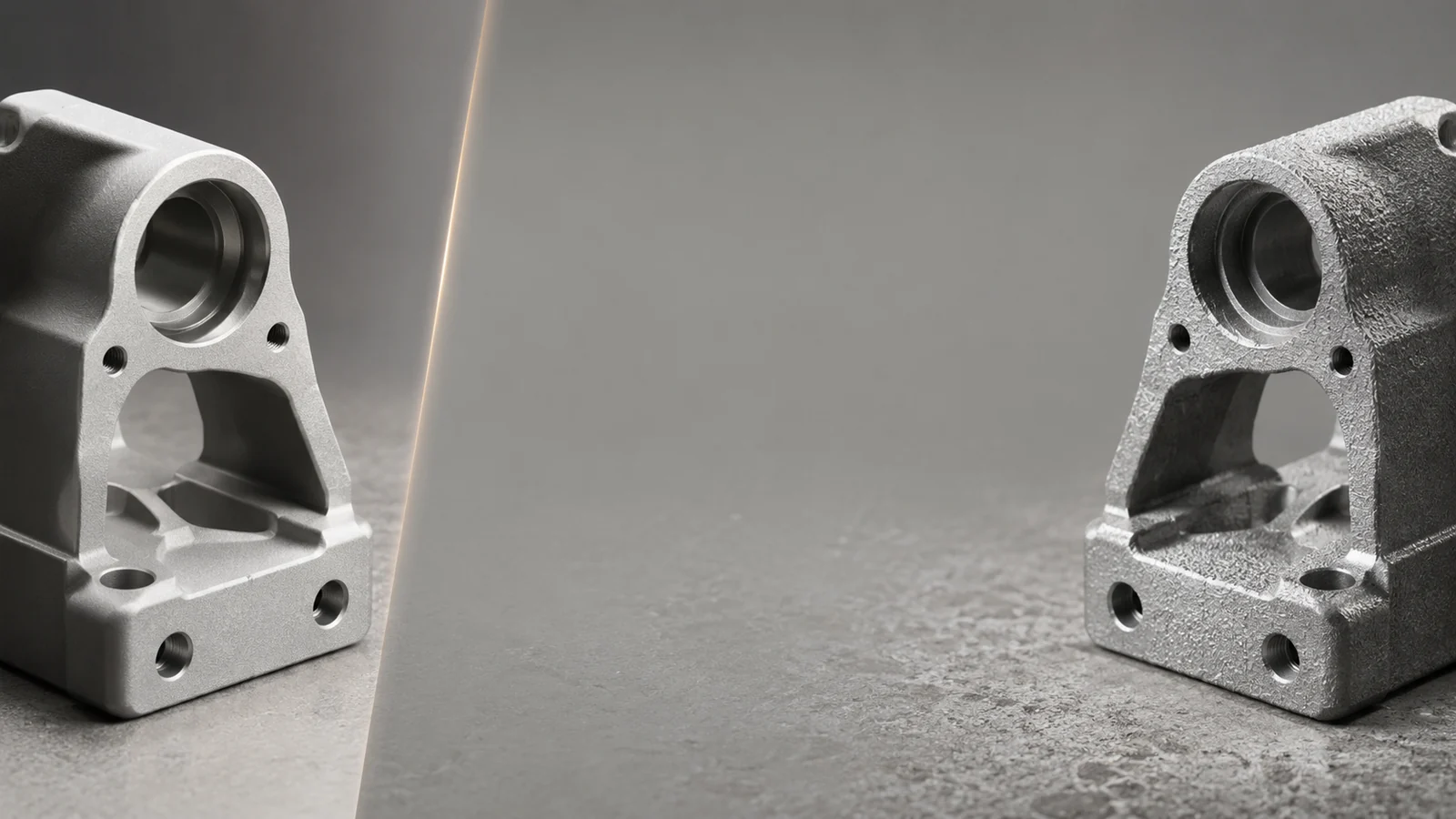
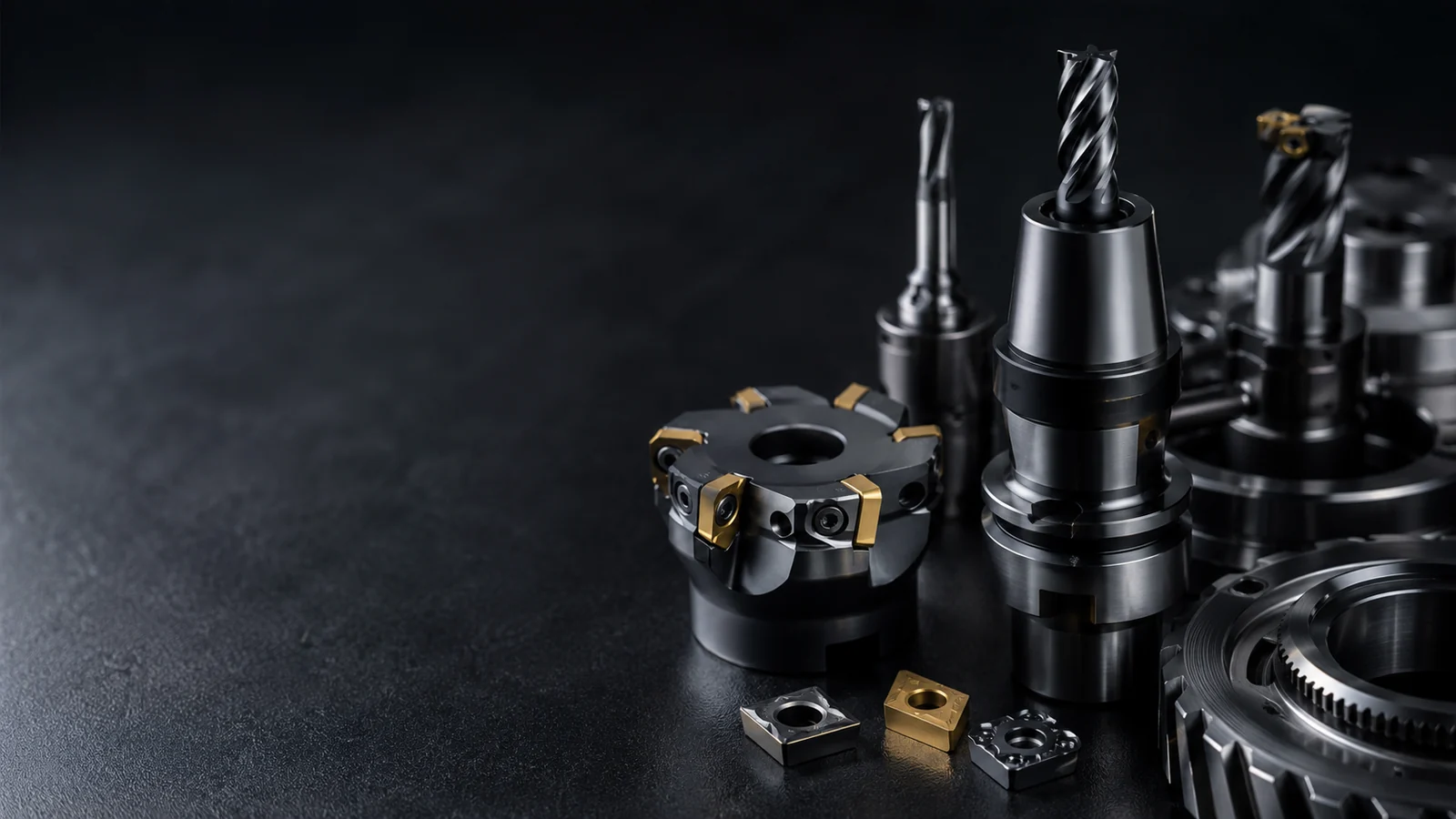
Bead blasting or sandblasting—which is better for your CNC parts? Compare finish, roughness, materials, costs, coating prep, and when to use each process.
→
Surface TreatmentArticle
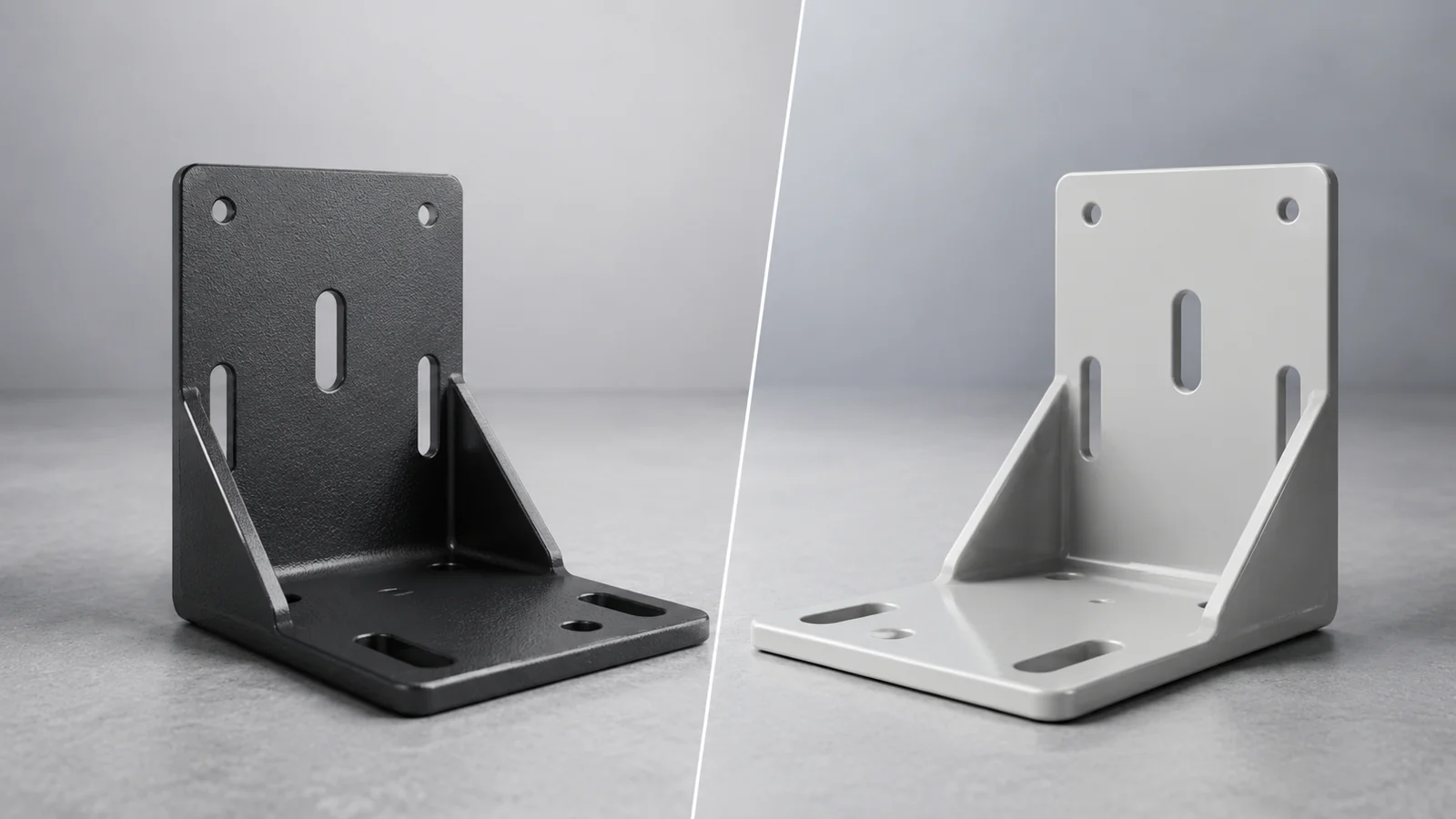
Evaluate TiN, CrN, TiAlN, AlCrN, DLC, and other PVD systems by wear mode, substrate support, temperature, thickness, adhesion, and tolerance impact.
→
Surface TreatmentArticle
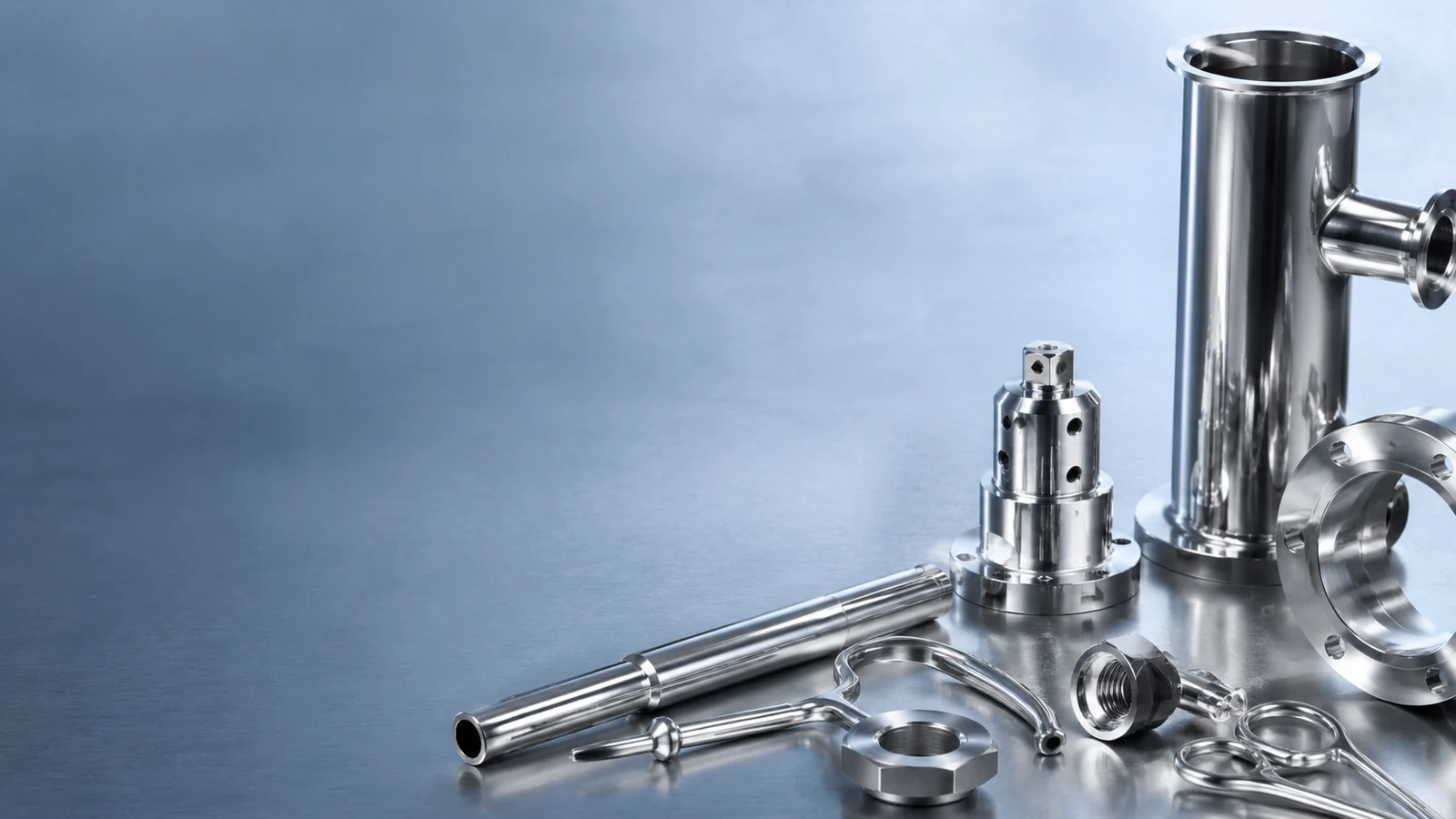
Choose powder coating or liquid paint by film thickness, appearance, corrosion protection, masking, geometry, repairability, production volume, and cost.
→
Surface TreatmentArticle
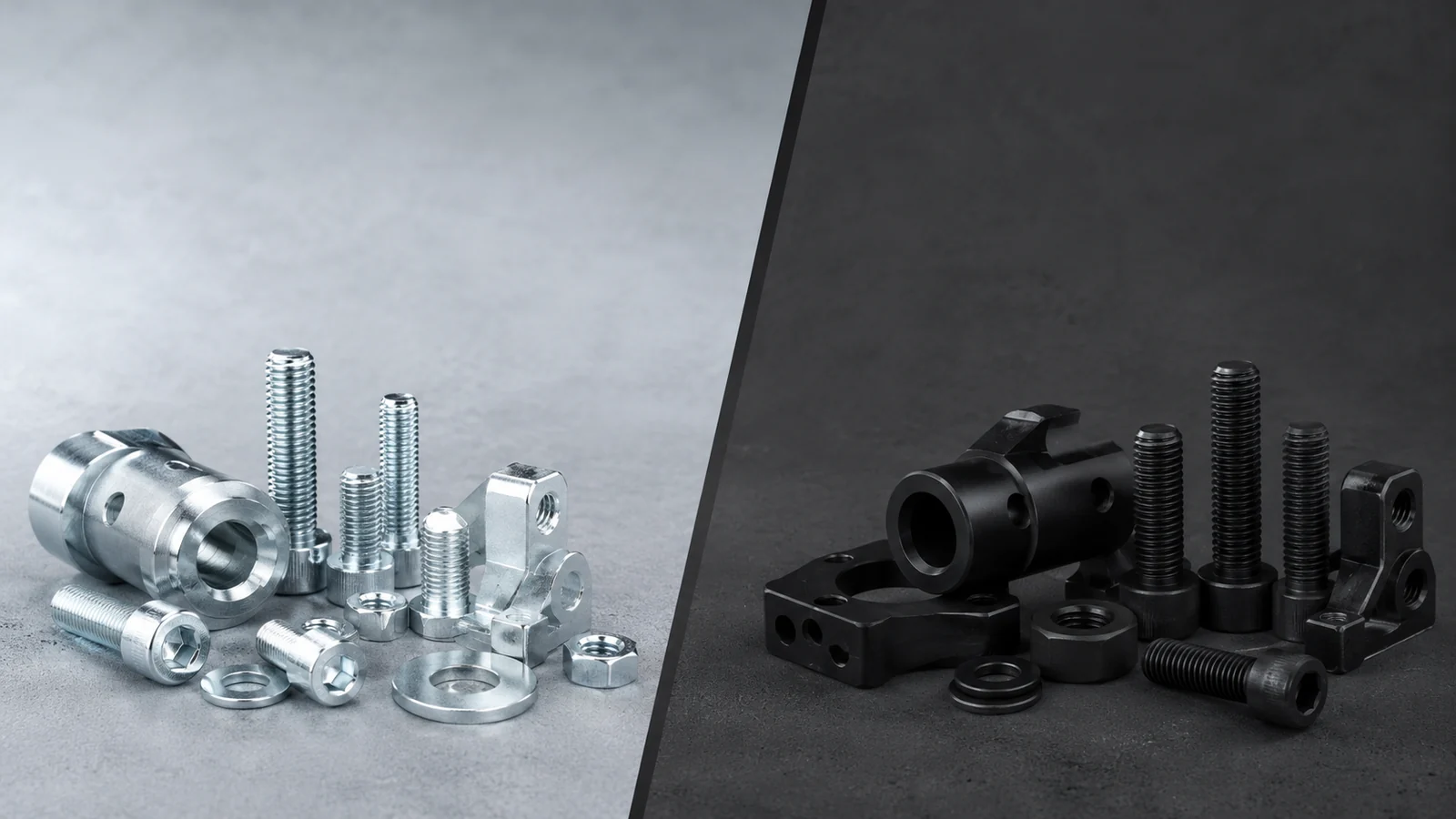
Learn when electropolishing improves stainless-steel smoothness, cleanliness, corrosion behavior, and deburring—and how it affects dimensions and edges.
→
Surface TreatmentArticle
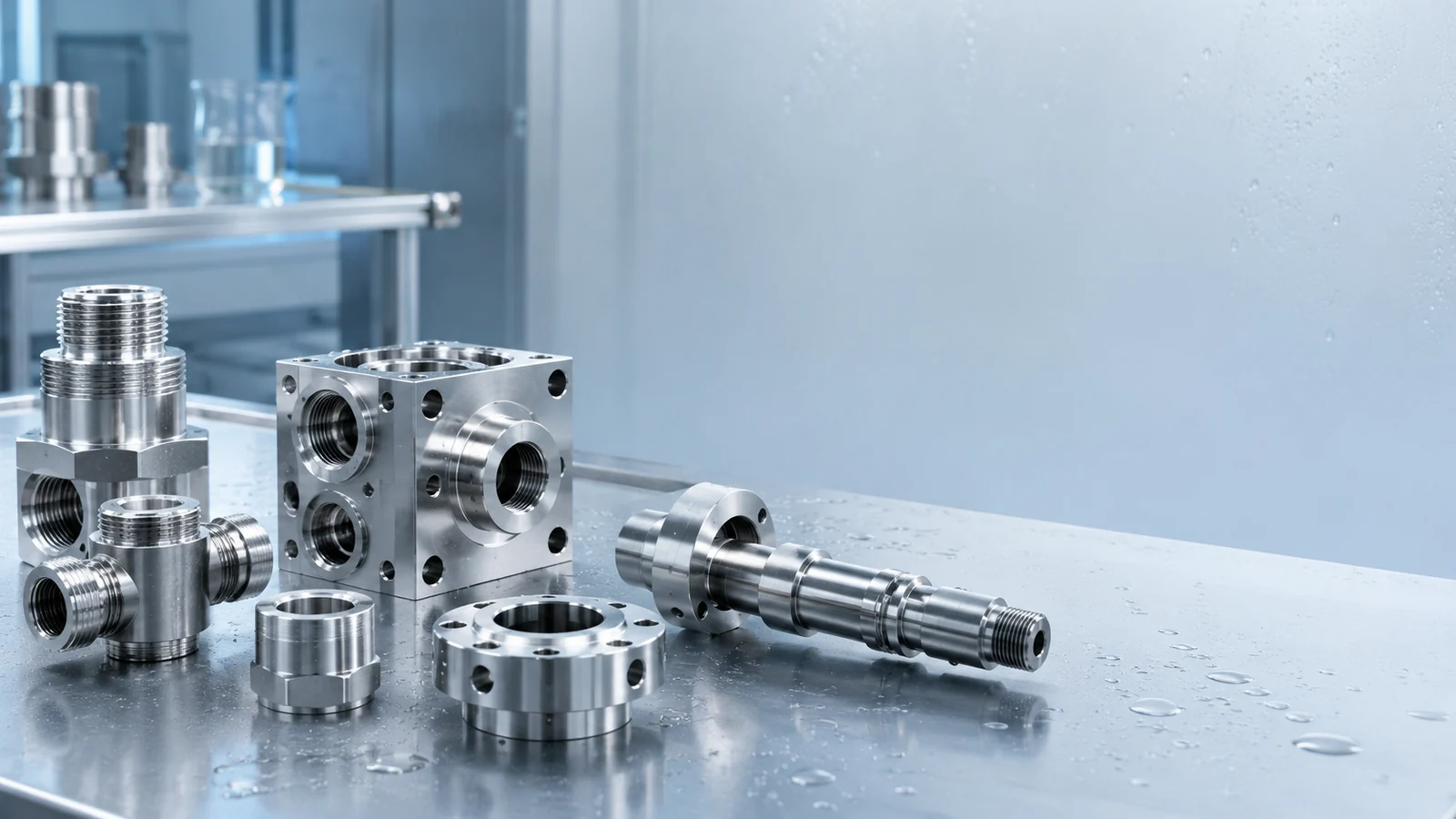
Compare zinc plating and black oxide for steel parts by corrosion resistance, thickness, appearance, dimensional impact, wear, maintenance, and cost.
→
Surface TreatmentArticle
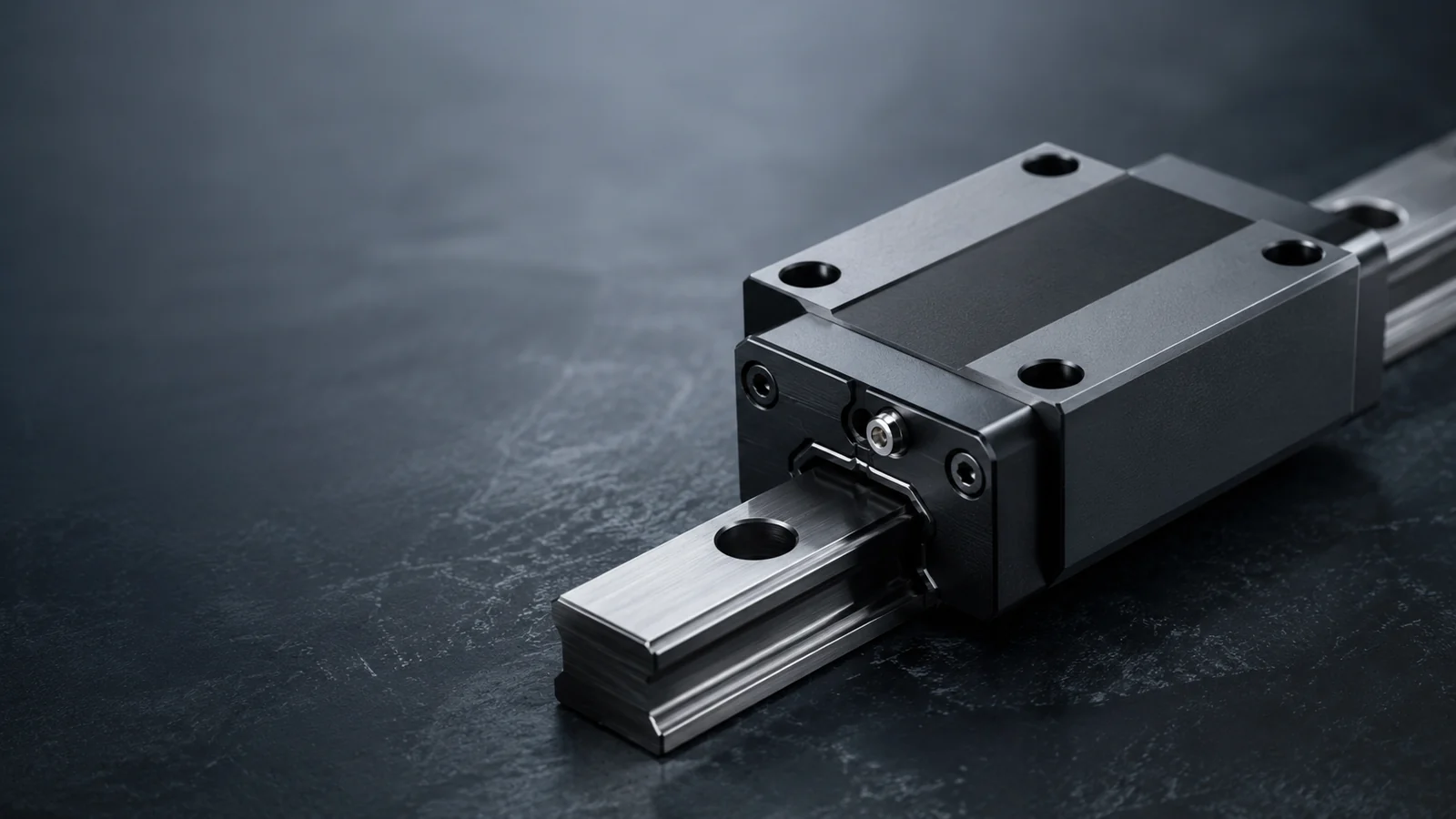
Understand how passivation removes free iron from stainless CNC parts, restores corrosion resistance, and is specified, tested, and coordinated with…
→
Surface TreatmentArticle
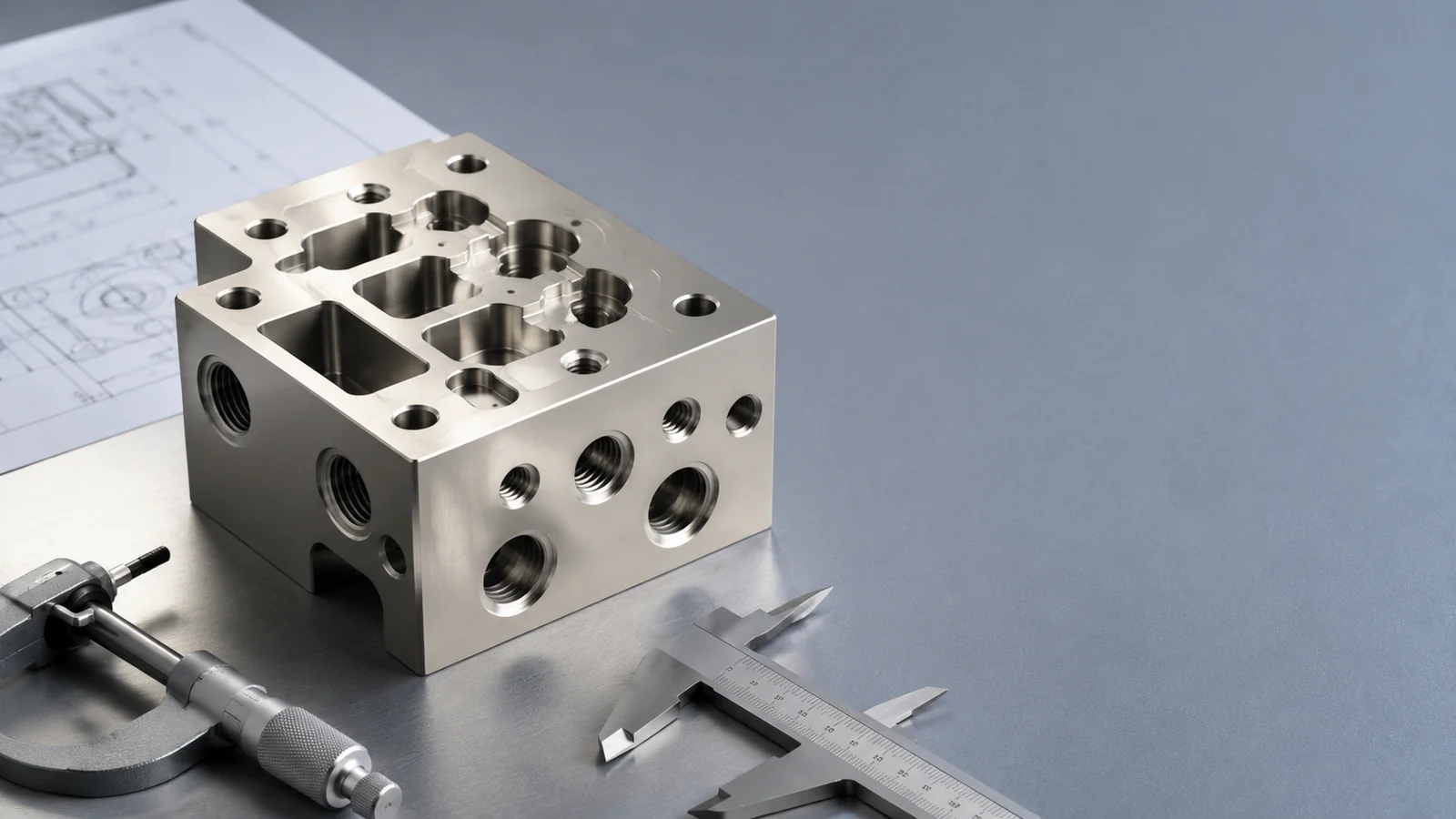
Determine when hard anodizing is needed for aluminum parts based on wear, friction, corrosion, electrical insulation, coating thickness, and fit requirements.
→
Surface TreatmentArticle
Assess electroless nickel for precision parts by uniform thickness, hardness, corrosion protection, phosphorus level, dimensional allowance, and substrate.
→
MaterialsArticle
A practical engineering guide to aluminum properties, grades, machining behavior, finishes, applications, costs, and supplier selection for custom parts.
→
MaterialsArticle
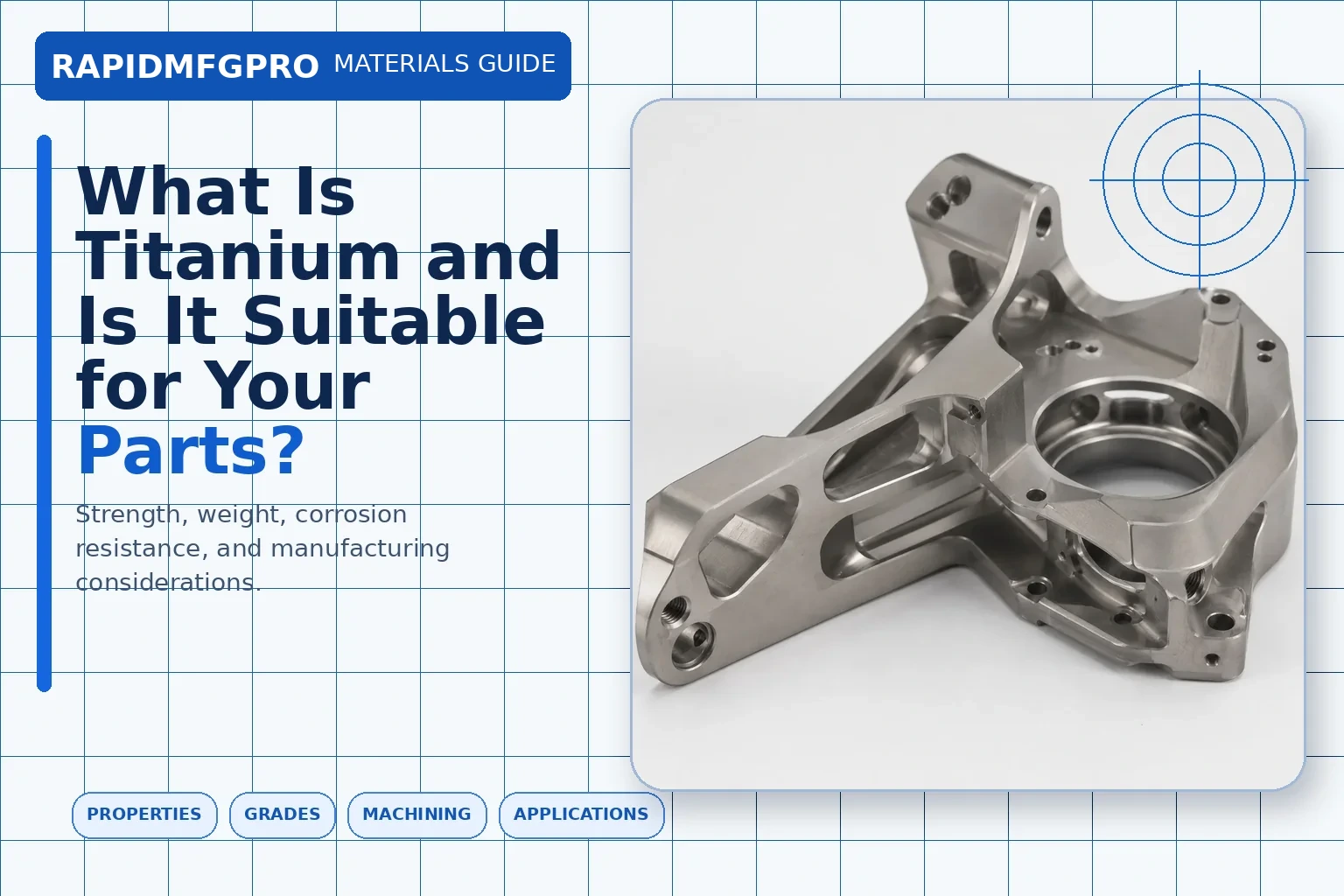
A detailed guide to titanium material selection, CNC machining, design, finishes, applications, inspection, and supplier matching.
→
MaterialsArticle
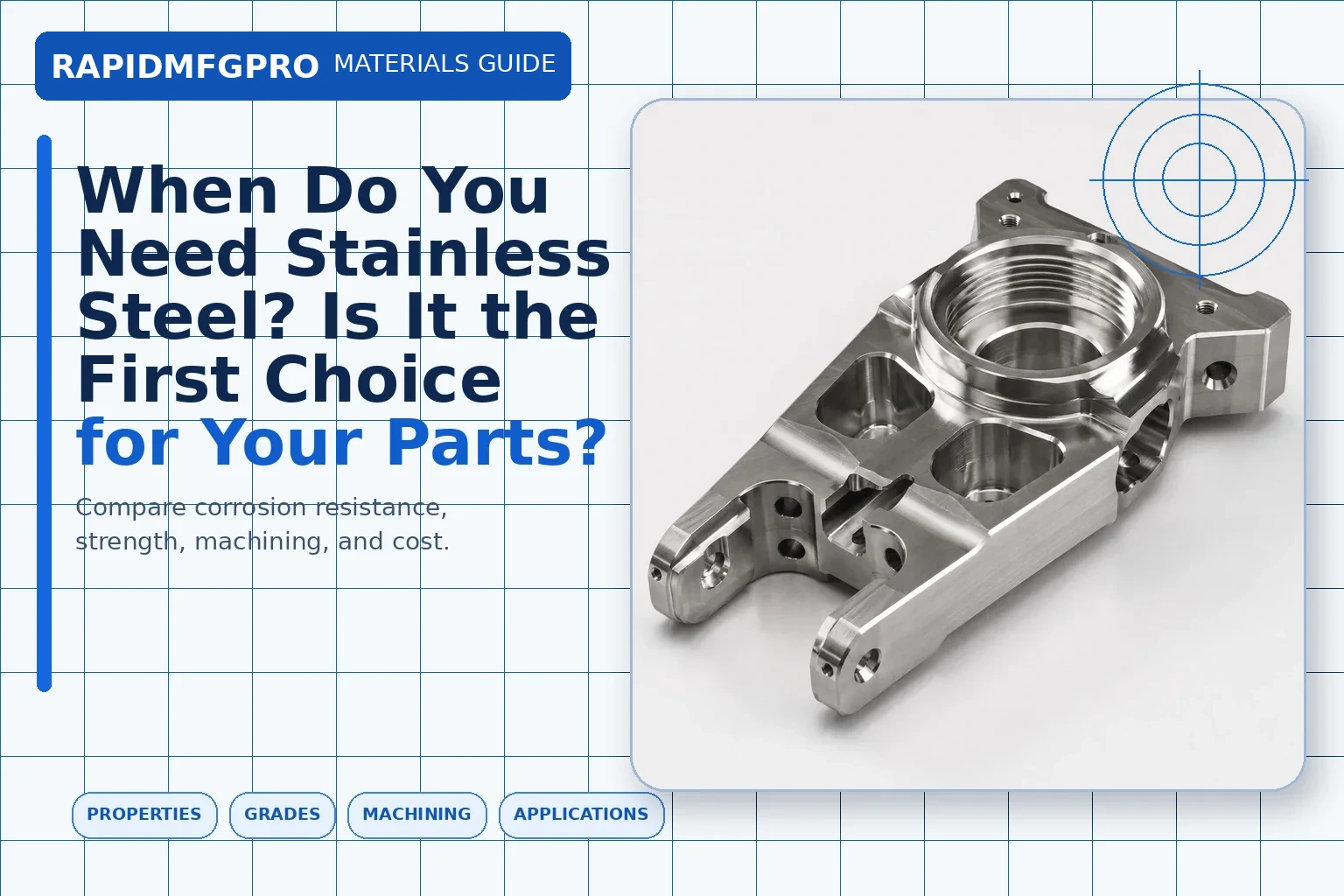
An engineering guide to stainless steel grades, corrosion, machining, design, finishes, applications, costs, and supplier selection.
→
MaterialsArticle
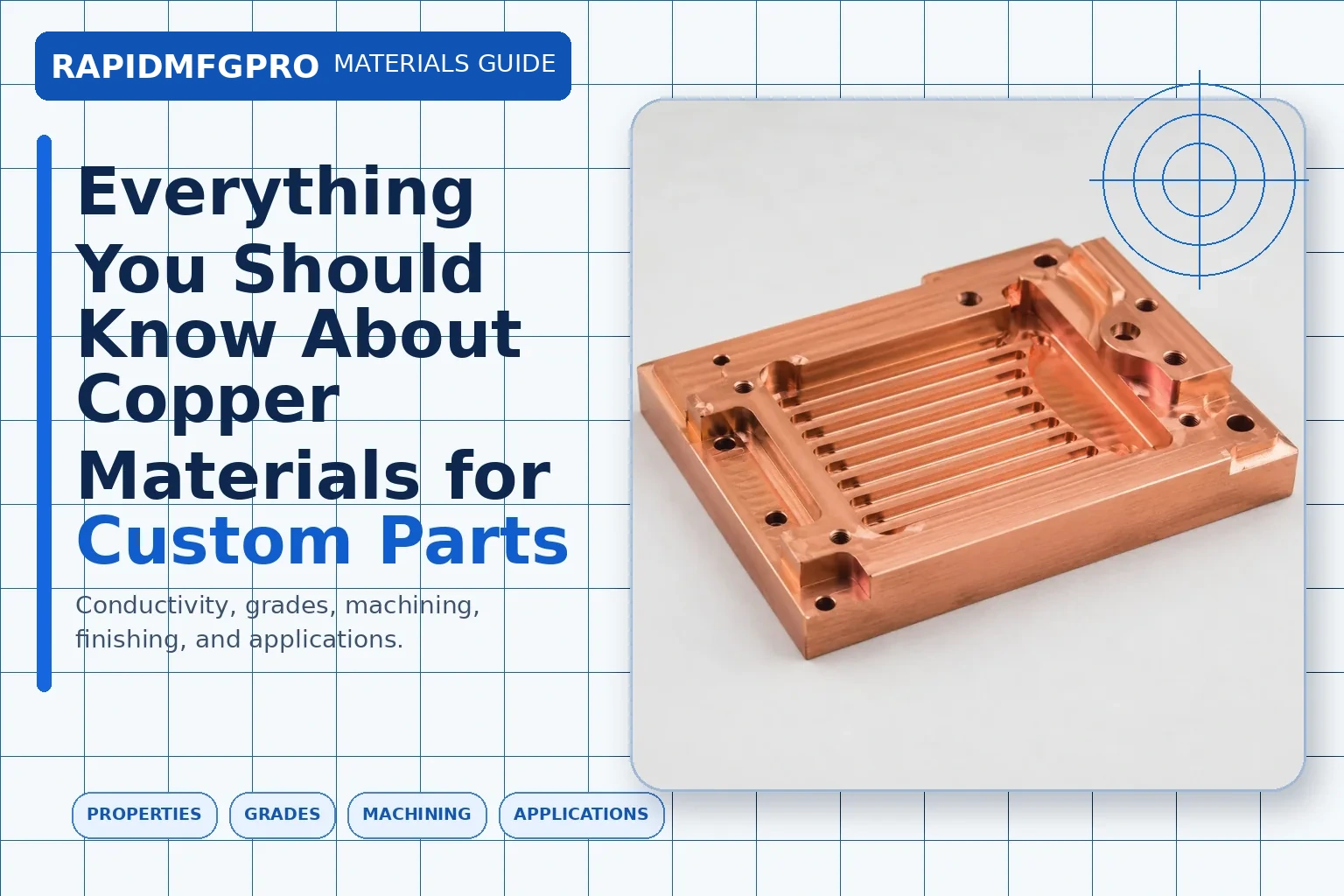
A complete engineering guide to copper materials, grades, CNC machining, conductivity, joining, finishes, applications, quality, and sourcing.
→
MaterialsArticle
A practical guide to steel families, grades, heat treatment, CNC machining, design, corrosion protection, quality, cost, and supplier selection.
→
MaterialsArticle
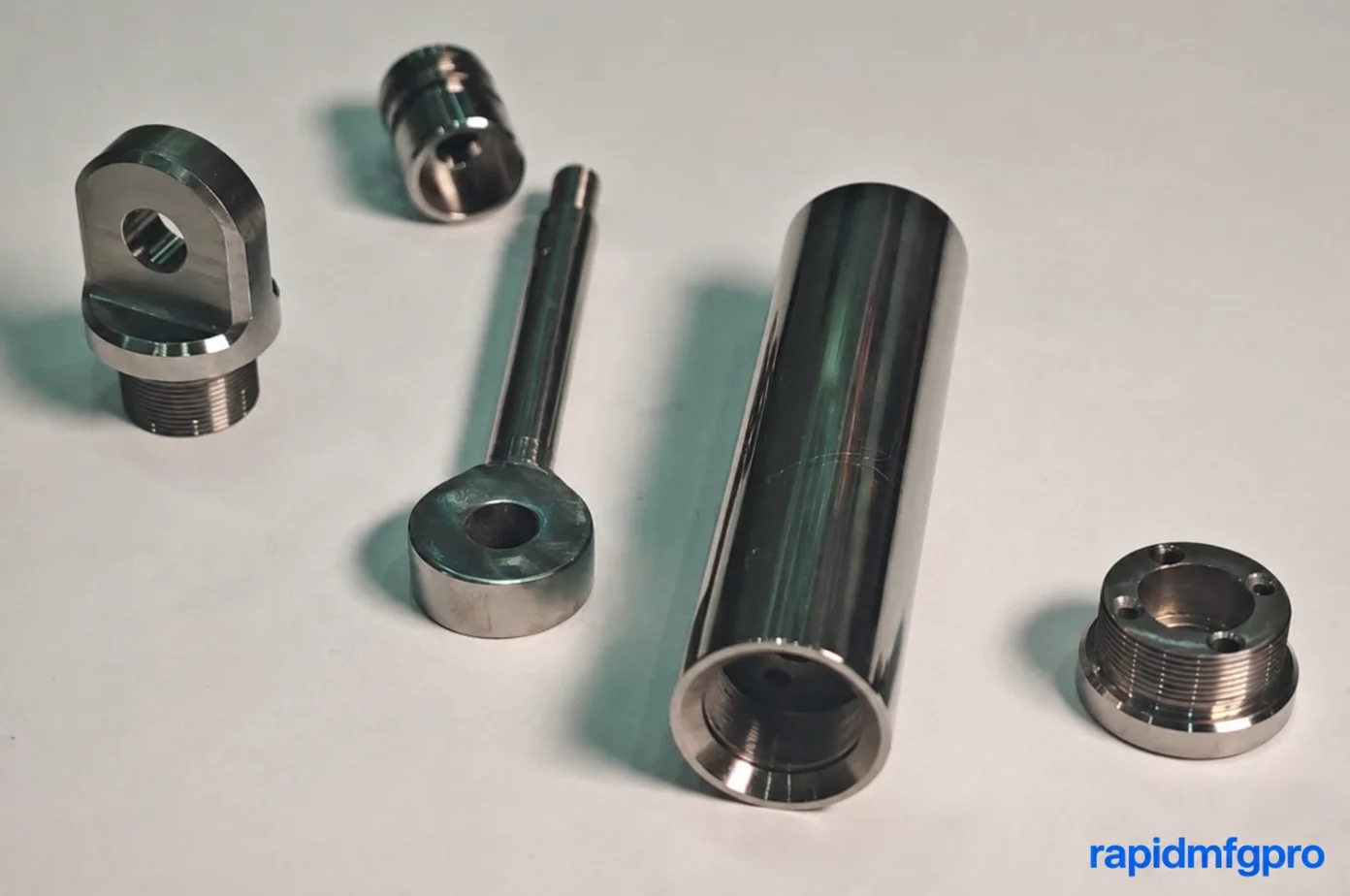
A detailed brass-vs-copper guide for engineers choosing materials for machined electrical, thermal, fluid, and decorative components.
→
MaterialsArticle
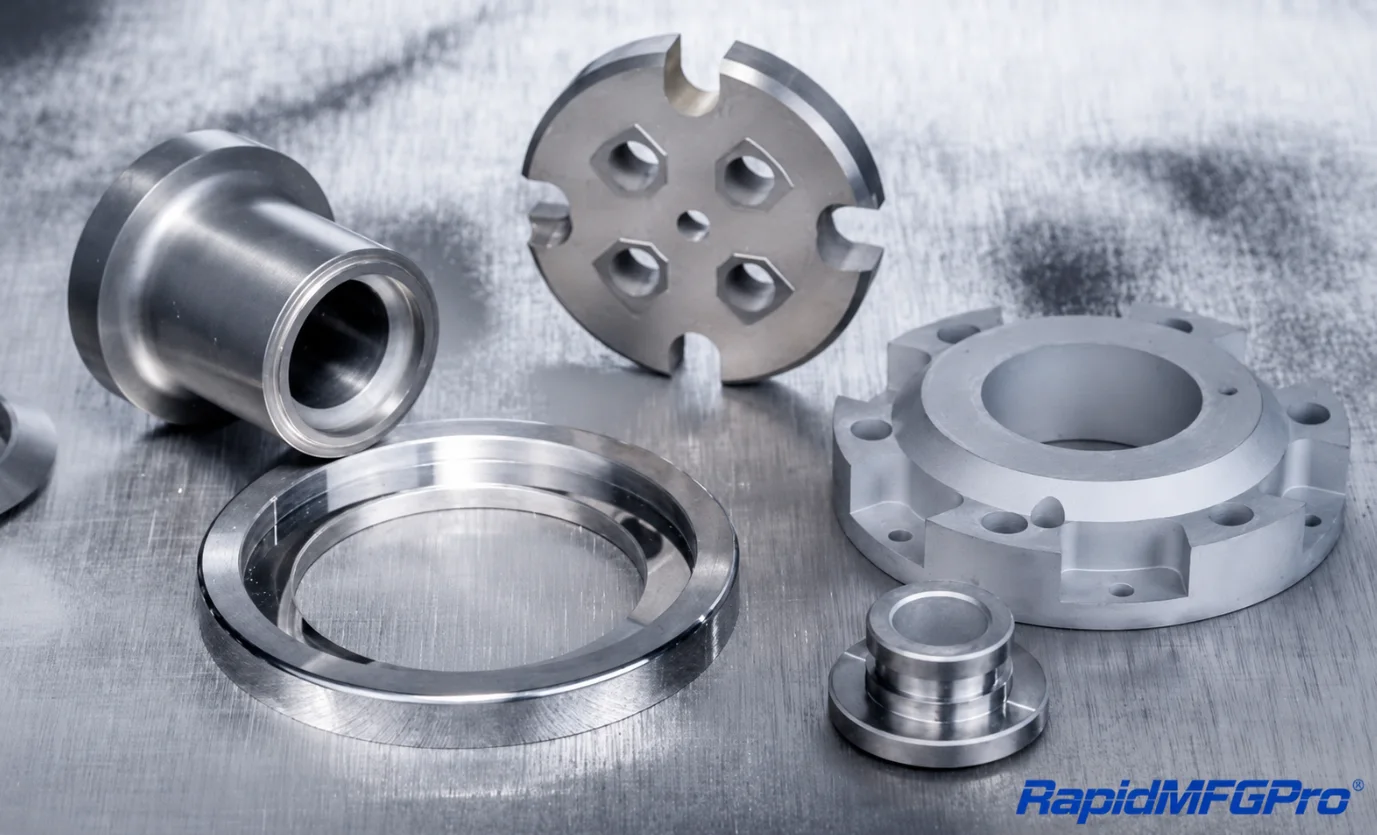
An engineering guide to tensile strength, yield strength, toughness, hardness, fatigue, and strength-to-weight when choosing metal for custom parts.
→
MaterialsArticle
A practical guide to hard metals, hardmetal carbide, hardened steel, wear, machining, design, inspection, cost, and supplier selection.
→
MaterialsArticle
What is soft metal? In engineering, a soft metal is a metal or alloy condition that offers relatively low resistance to indentation, scratching, cutting, or…
→
MaterialsArticle
A practical guide to CNC plastics, material selection, machining, tolerances, design, finishing, applications, quality, and supplier sourcing.
→
CNC MachiningArticle
A practical guide to CNC machining, suitable parts, materials, tolerances, cost drivers, and supplier matching for prototypes and production.
→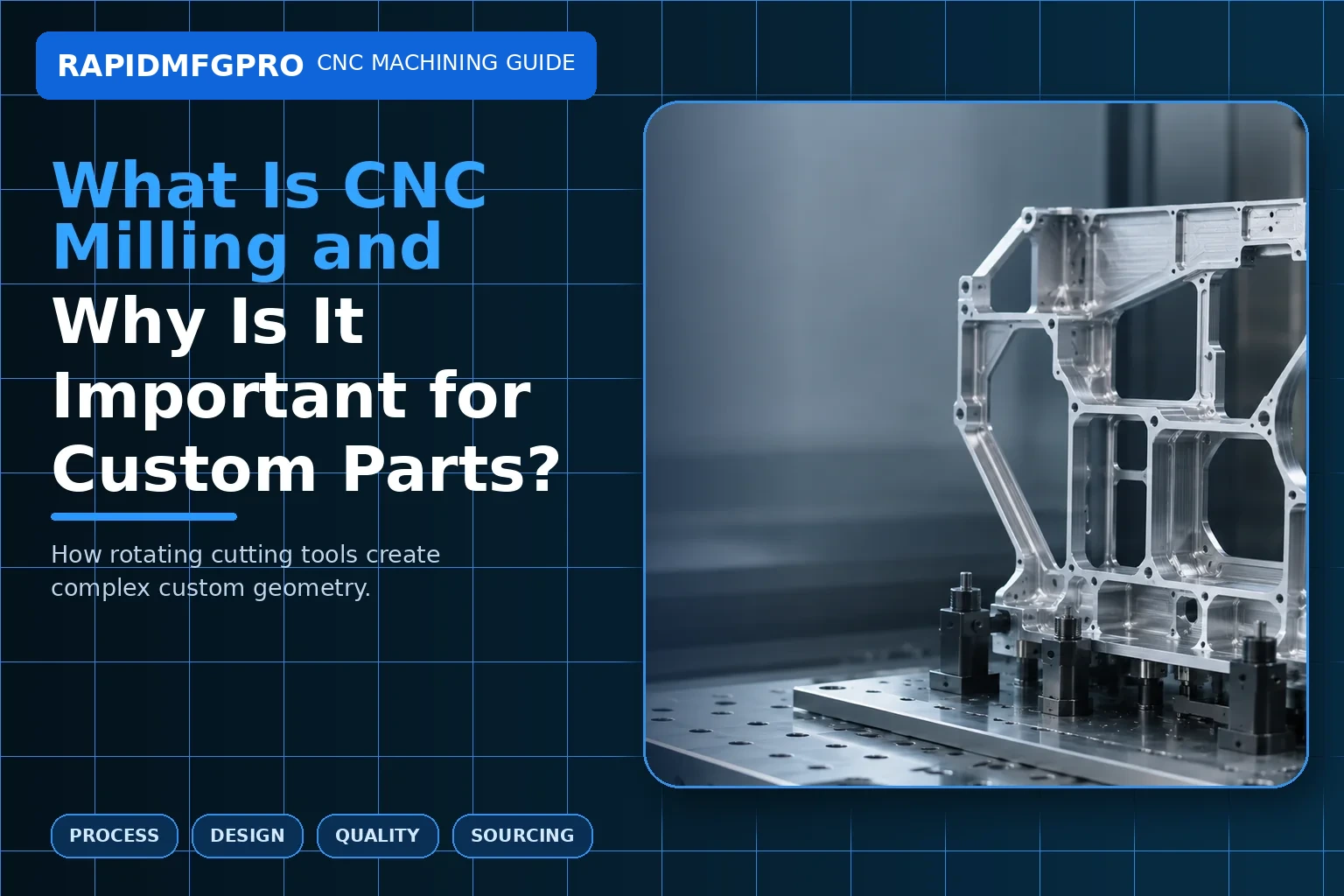
CNC MachiningArticle
A detailed engineering and sourcing guide to CNC milling for custom brackets, housings, plates, manifolds, prototypes, and production parts.
→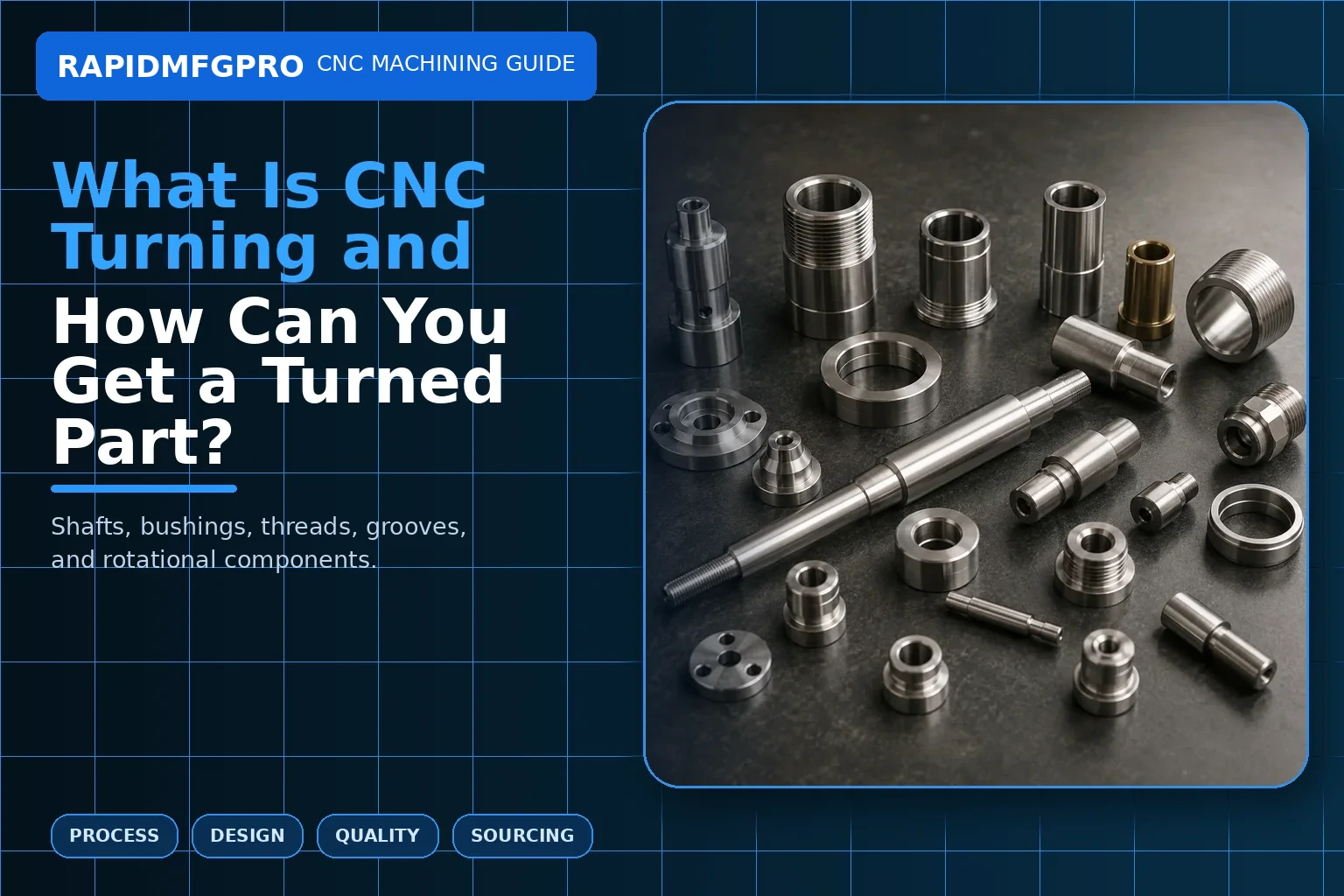
CNC MachiningArticle
A practical guide to CNC turning, lathe operations, turned-part design, fits, runout, finishes, quality, and supplier sourcing.
→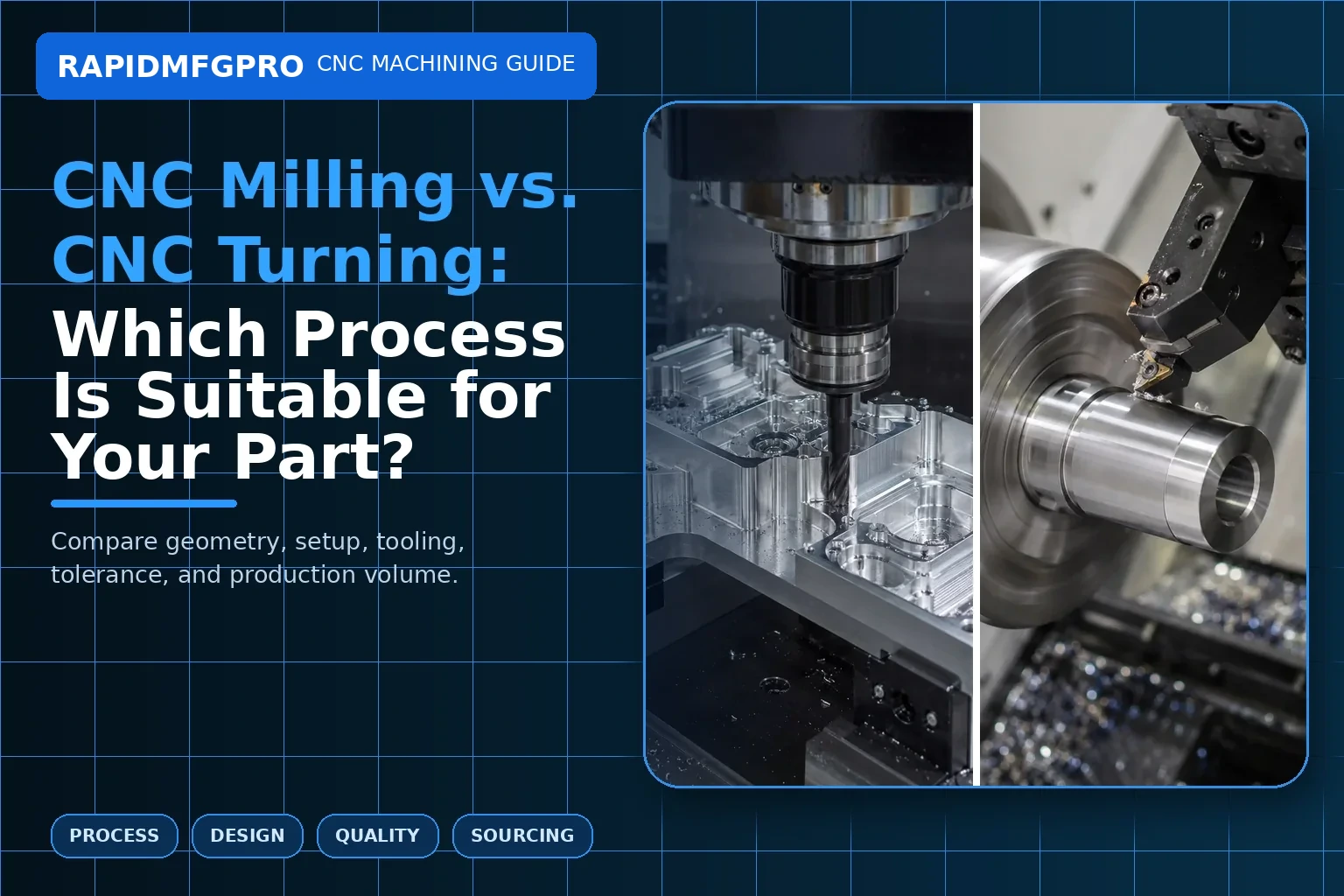
CNC MachiningArticle
A feature-based comparison of milling, turning, and mill-turn routes for engineers and purchasing teams sourcing custom CNC parts.
→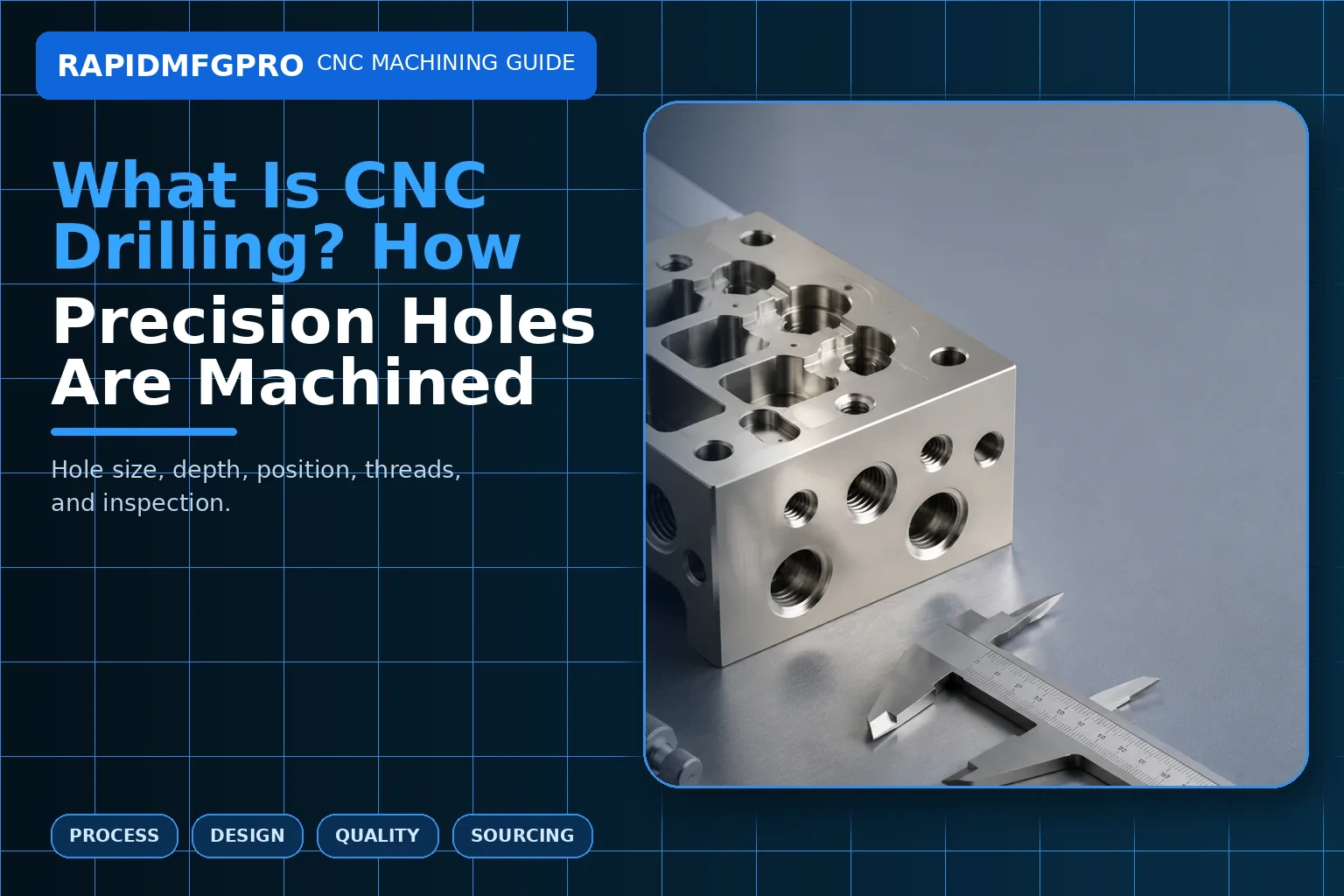
CNC MachiningArticle
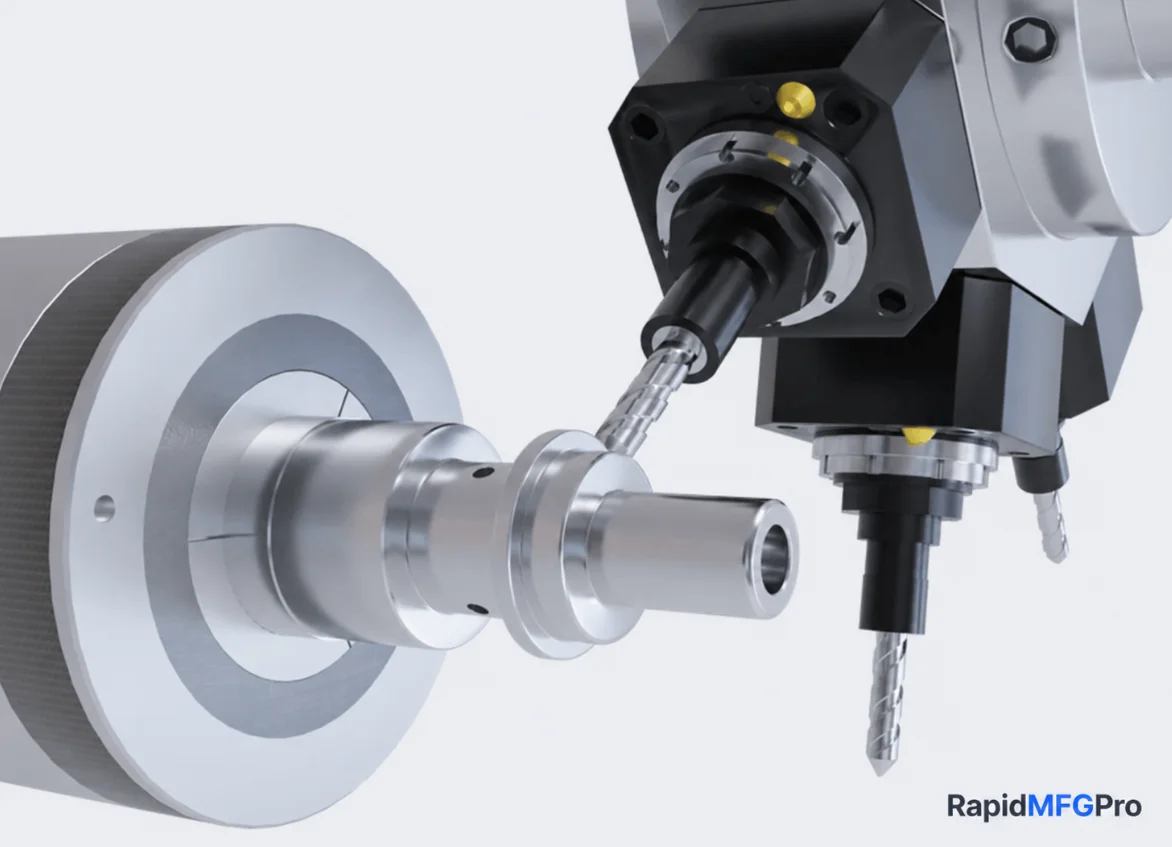
A detailed guide to precision hole machining, including blind holes, deep drilling, threads, tolerances, burr control, and inspection.
→
CNC MachiningArticle
A practical guide to secondary machining, process sequencing, dimensional allowances, quality control, cost, and supplier coordination.
→
CNC MachiningArticle
A structured CNC supplier-selection guide covering RFQs, capability, quality systems, quotation comparison, samples, red flags, and supplier matching.
→
CNC MachiningArticle
A complete CNC quality guide for engineers and buyers, covering requirements, process controls, inspection methods, documentation, and supplier matching.
→
CNC MachiningArticle
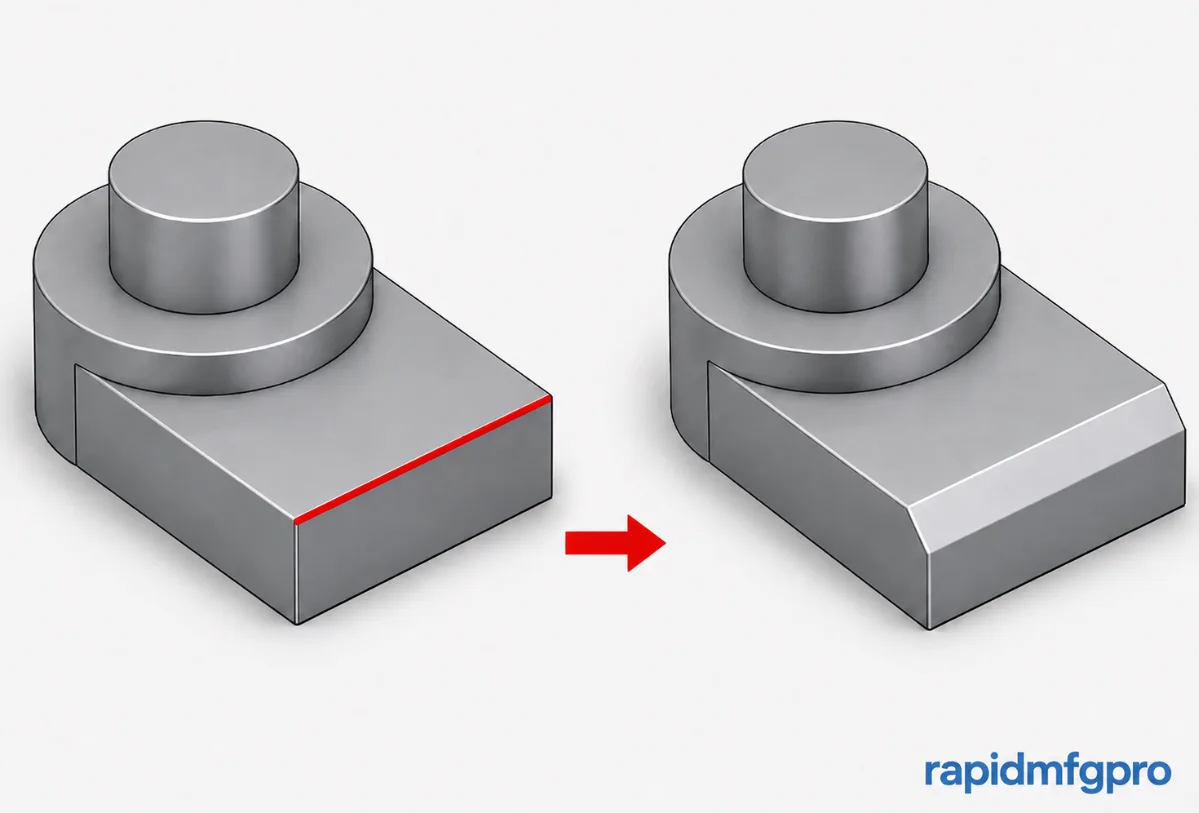
A detailed CNC chamfer guide covering assembly lead-ins, edge safety, drawing callouts, machining methods, tolerances, inspection, and defects.
→
CNC MachiningArticle
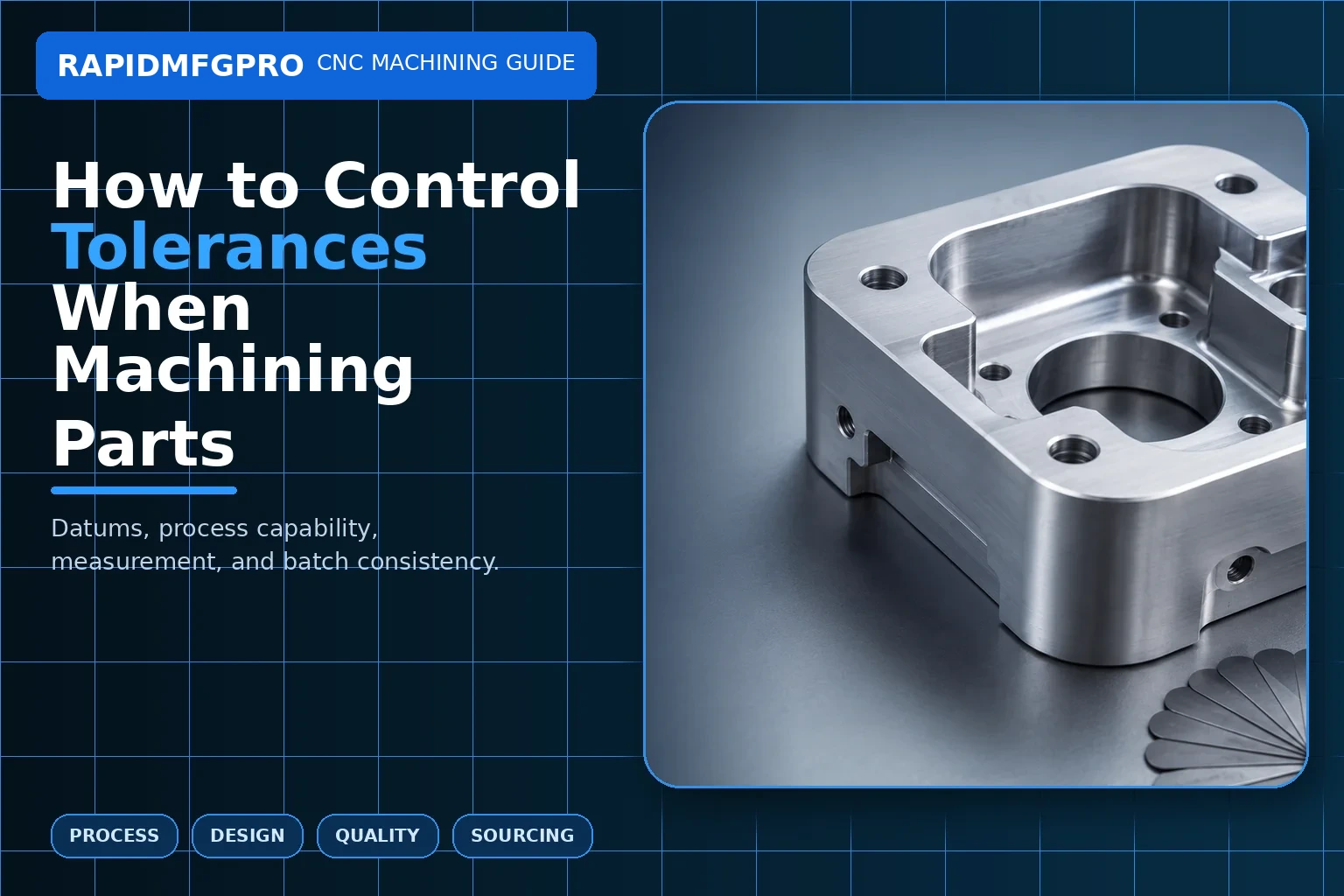
A detailed guide to CNC tolerance control, from functional drawings and datums to process capability, inspection, finishing, and supplier selection.
→
TransactionArticle
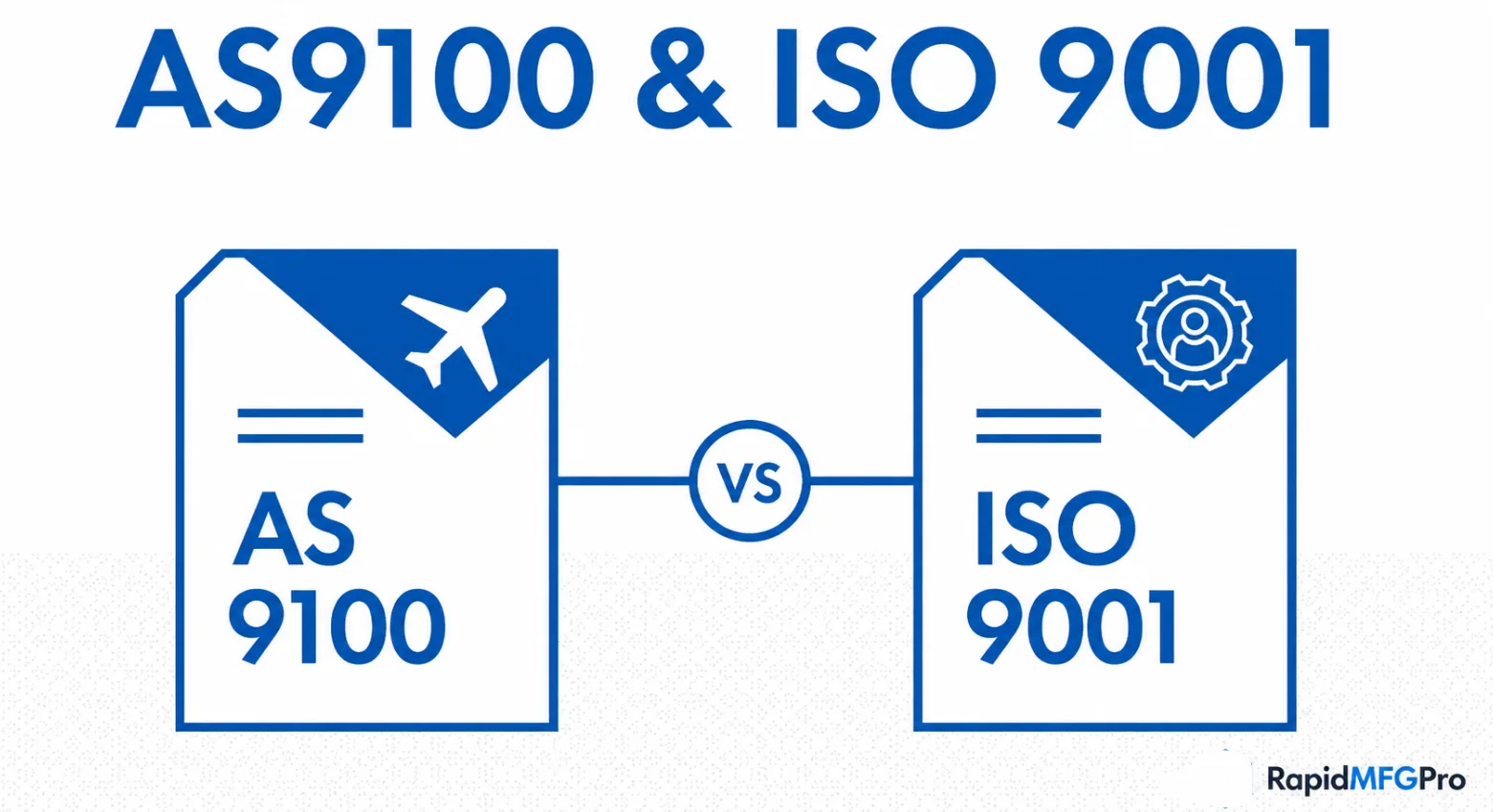
AS9100 vs ISO 9001: What’s the real difference? Compare aerospace requirements, supplier controls, FAI, traceability, and which standard your CNC project…
→
CNC MachiningArticle
Review CAD files, joint loads, material requirements, and tolerances before choosing a manufacturing route.
→
ProductionArticle
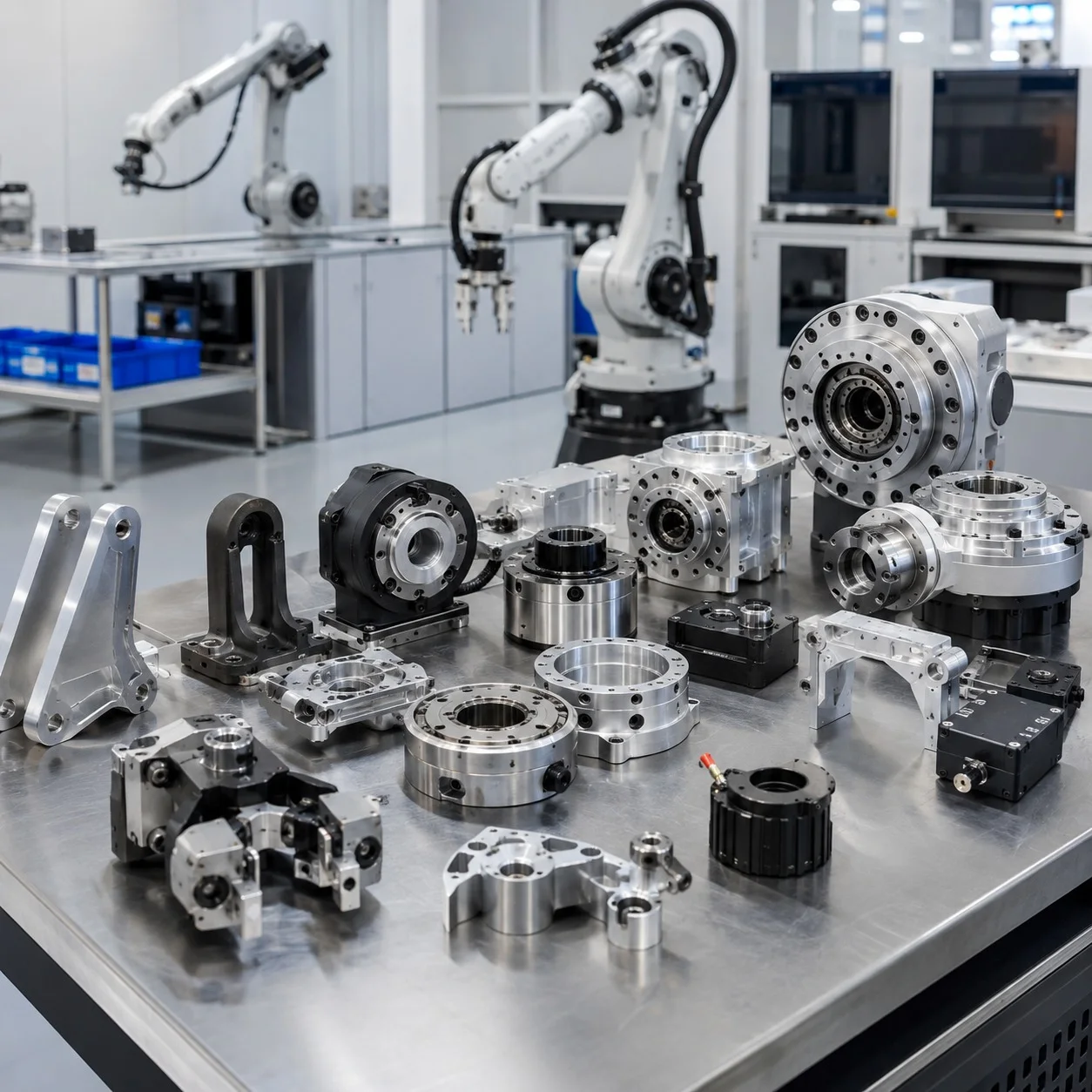
Need low-volume manufacturing without costly mass-production tooling? Compare CNC machining, 3D printing, molding, costs, DFM, and process selection.
→
CNC MachiningArticle
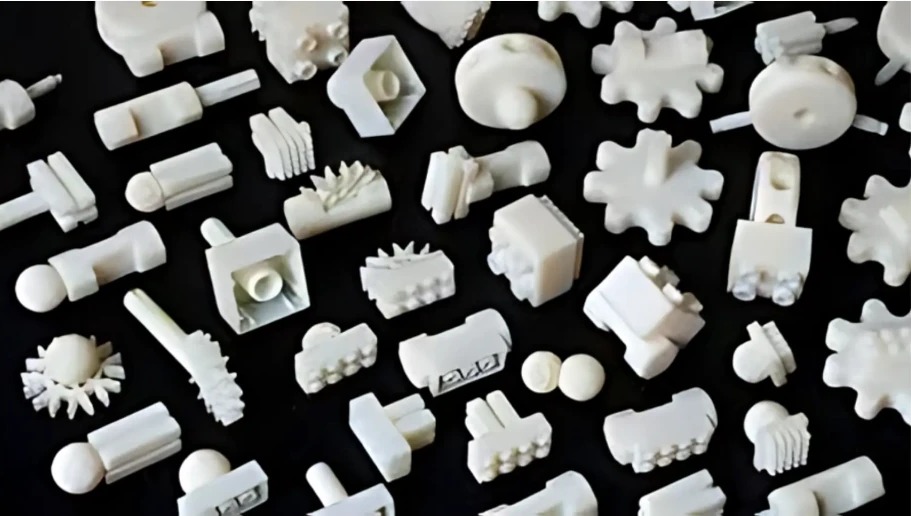
Understand when 4-axis CNC machining helps with angled features, repeated indexing, and complex setups.
→
ProductionArticle
Large-format industrial 3D printing can accelerate development for fixtures, housings, and validation parts.
→
ProductionArticle
The eVTOL industry needs careful process selection for lightweight structures and critical interfaces.
→
ProductionArticle
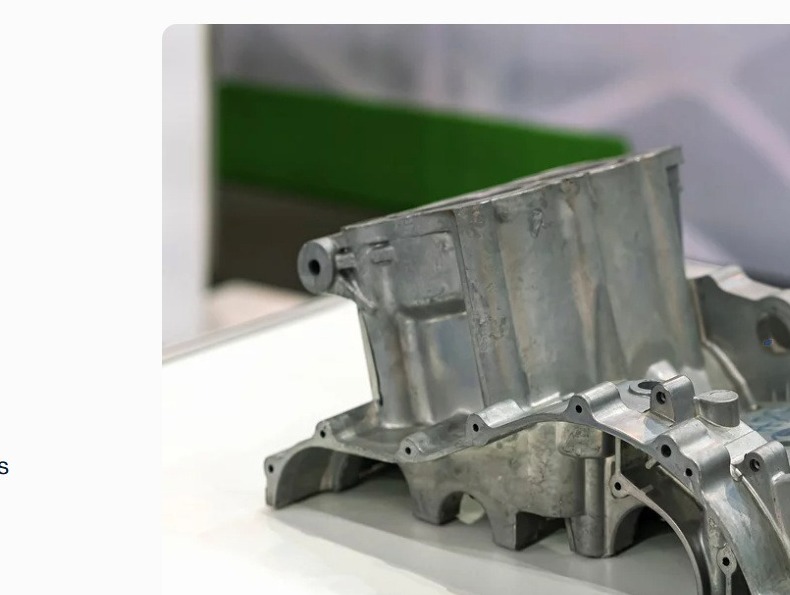
Learn how die casting supports repeatable aluminum parts when tooling, finish, and volume are aligned.
→
Part DesignArticle
Sheet metal enclosures need bend planning, hardware selection, finish decisions, and assembly review.
→
ProductionArticle
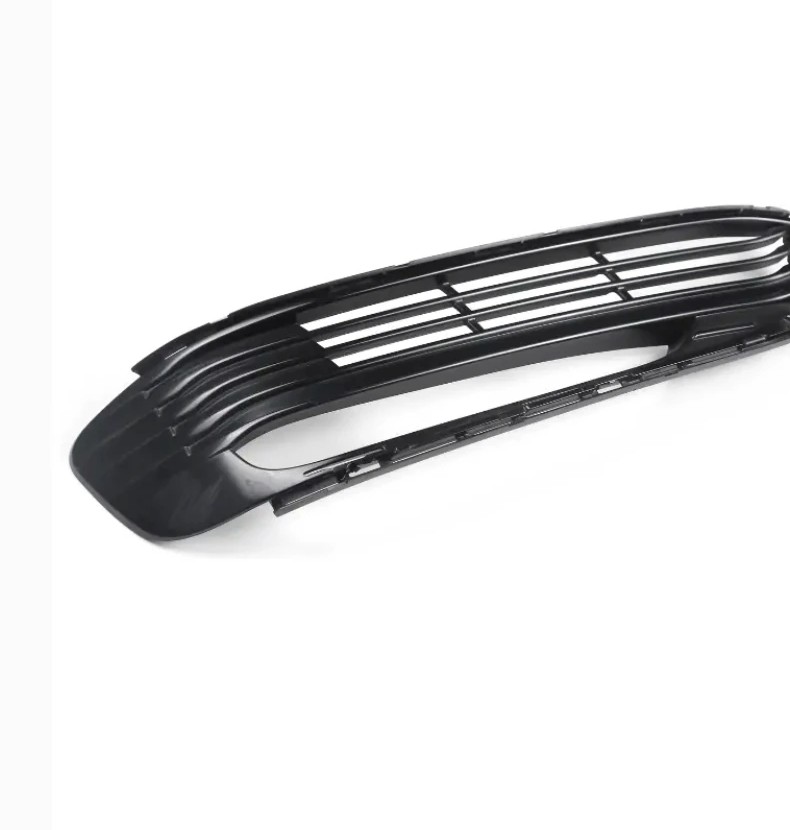
Large molded parts demand more than a bigger machine; they require tooling, material, and quality planning.
→
Surface TreatmentArticle
Learn how anodizing protects aluminum CNC parts, how Type II and hard anodizing differ, and when coating thickness, color, wear, and fit matter.
→
Surface TreatmentArticle
Compare surface finish options for prototype and production parts, including anodizing, plating, powder coating, passivation, and dimensional effects.
→No articles match this filter. Try another topic or clear the filters.